
1969 Healey Sprite Prototype
The Last Sprite
The final chapter of the Healey racing story. Built to be the finest Sprite ever made. The last of its kind.
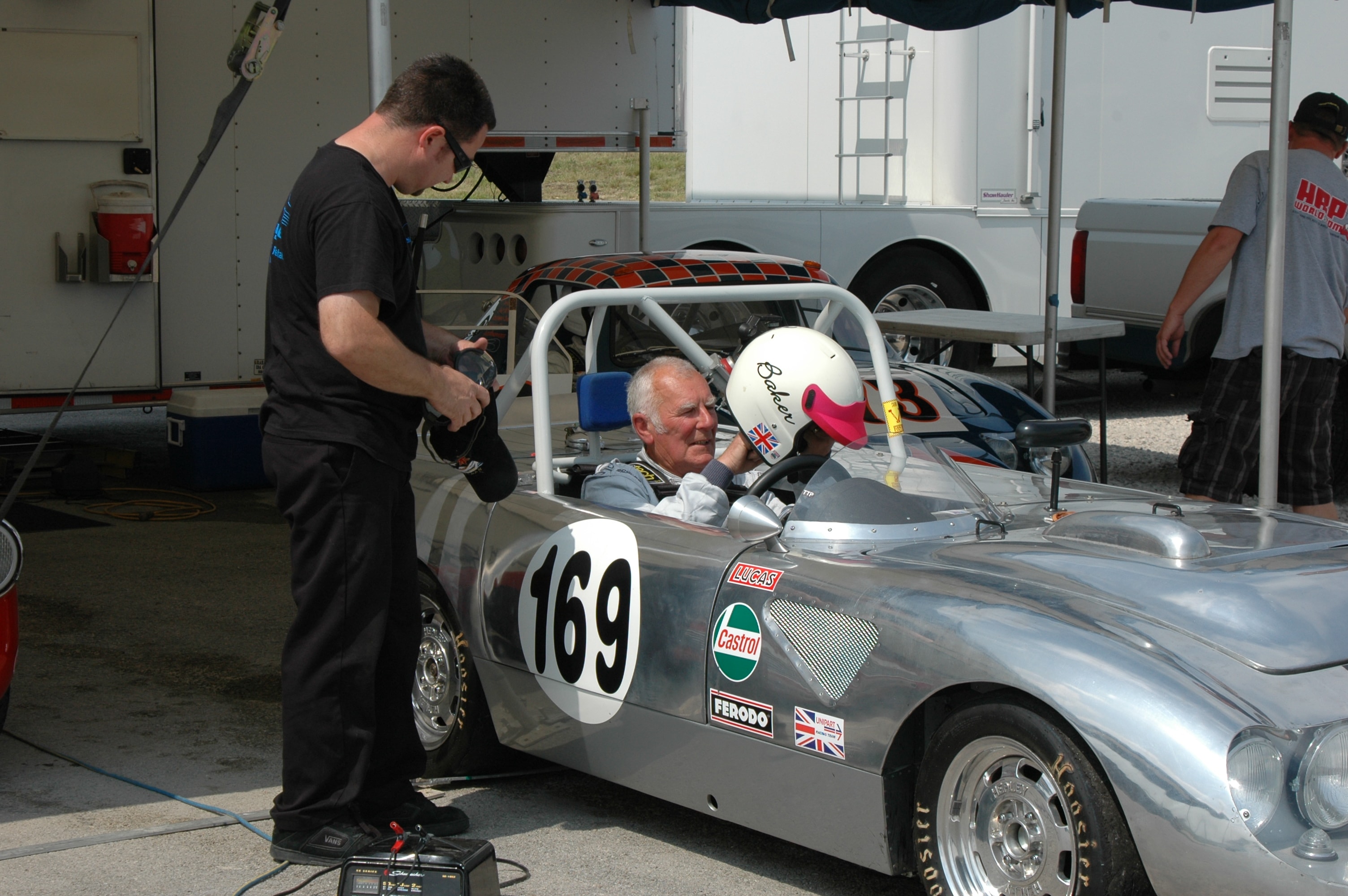
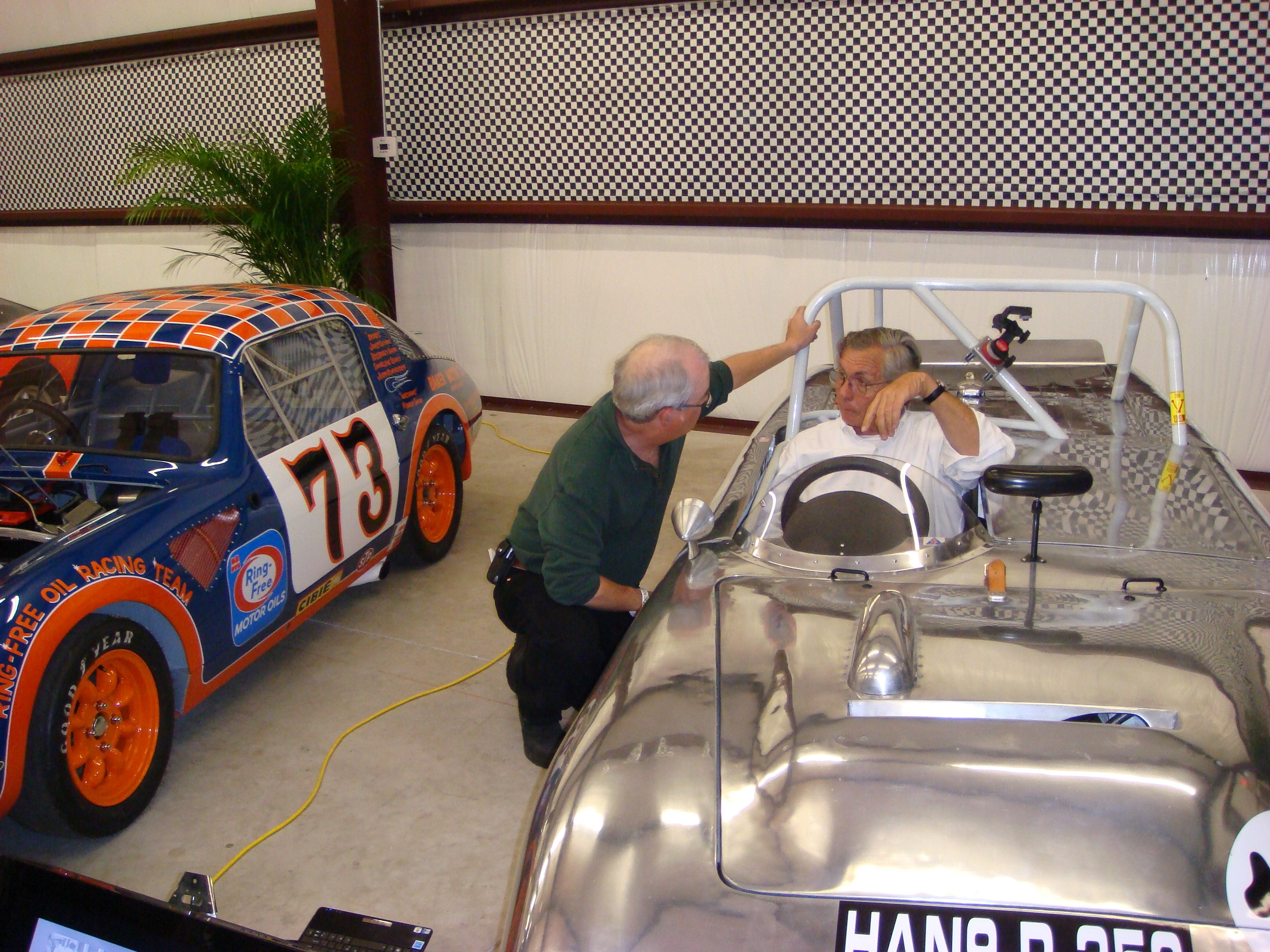
Clive Baker, Healey Factory Driver, in TFR7 — ECR, 2011
The Story
The End of an Era, Preserved
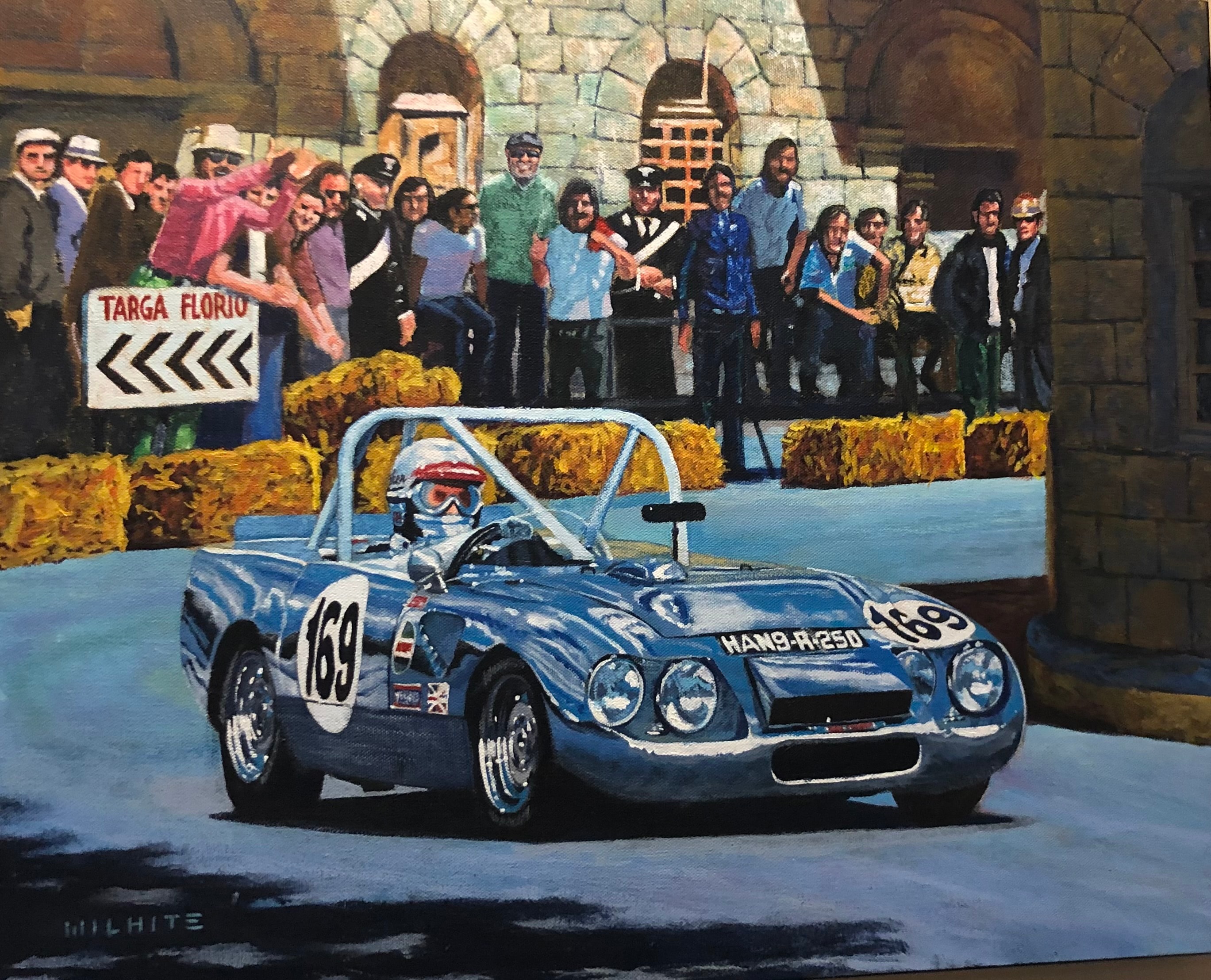
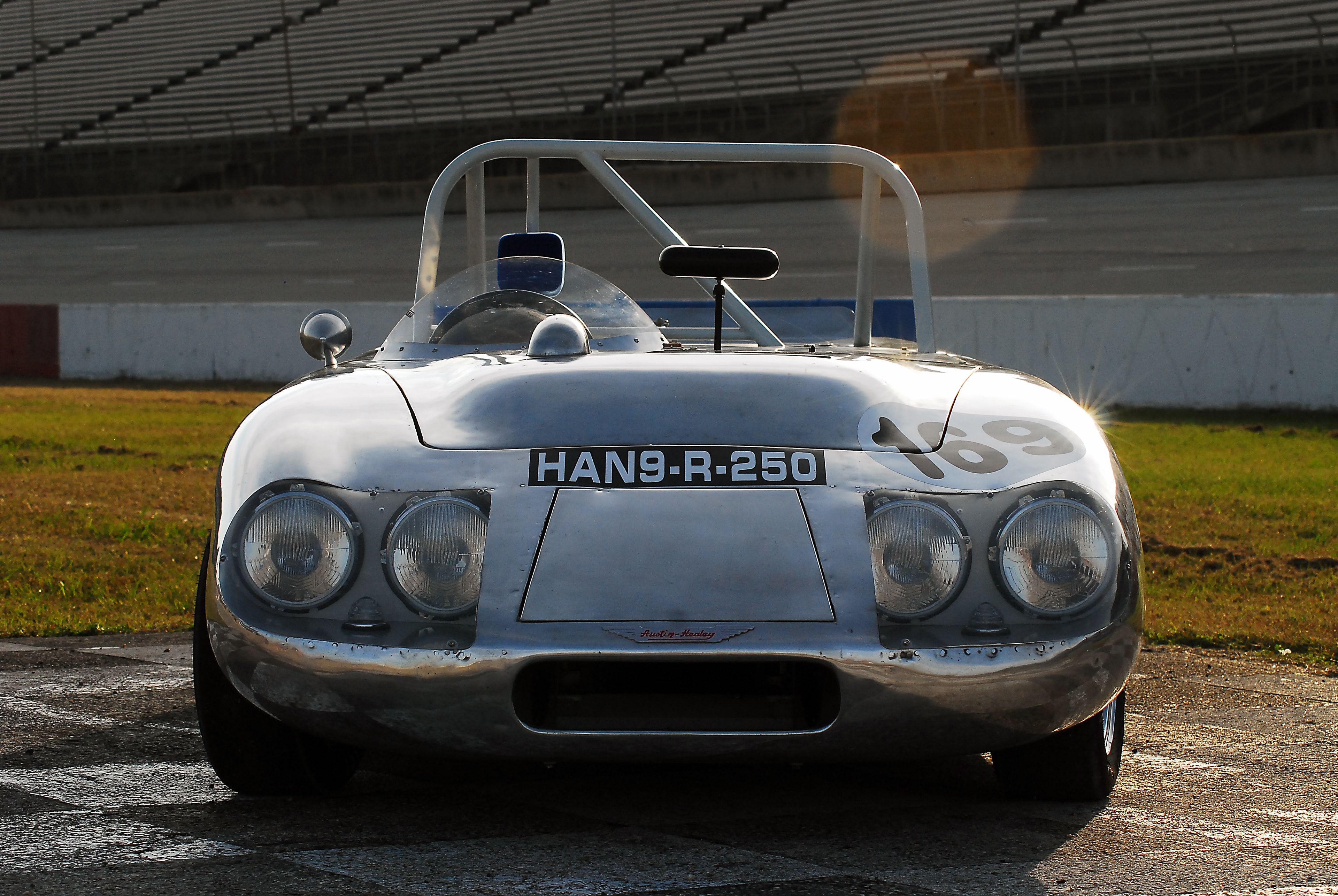
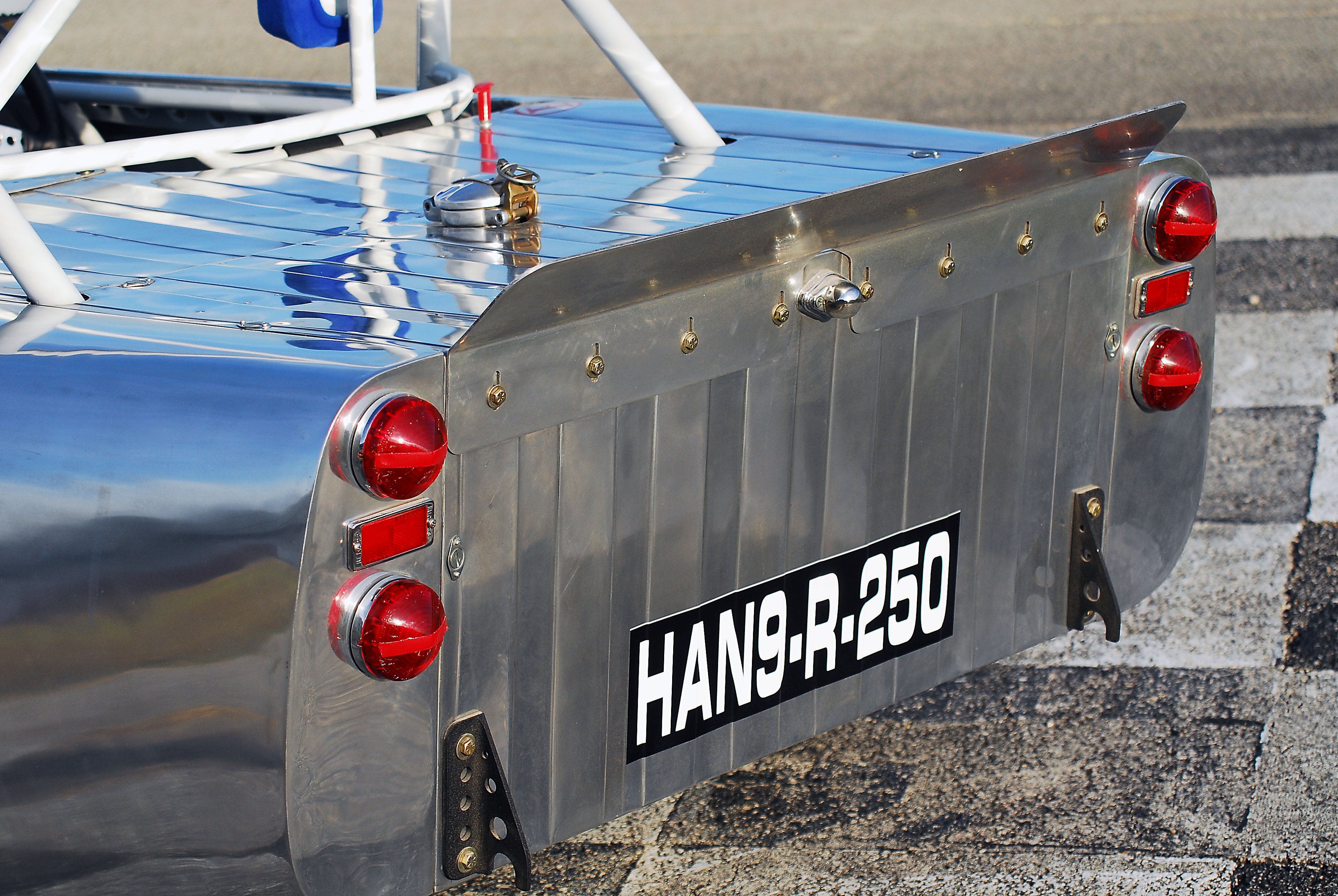
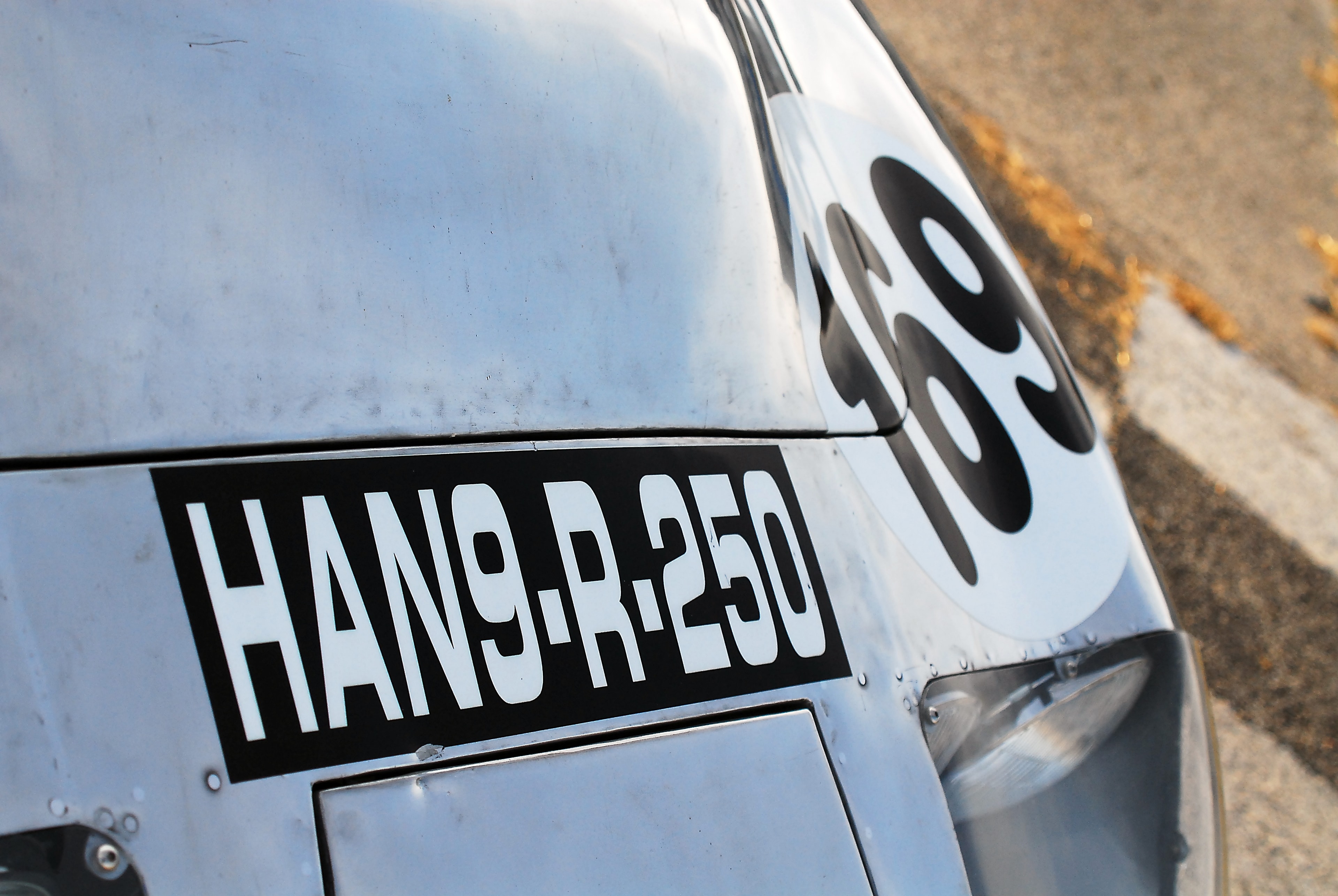
When the Donald Healey Motor Company commissioned this car in 1969, they were writing the final chapter of one of British motorsport's most beloved stories. This is the last Austin Healey Sprite prototype ever constructed — designated TFR7 and chassis HAN9-R-250 — built to the highest specification the factory had ever achieved, and intended for one of the world's most demanding events: the Targa Florio.
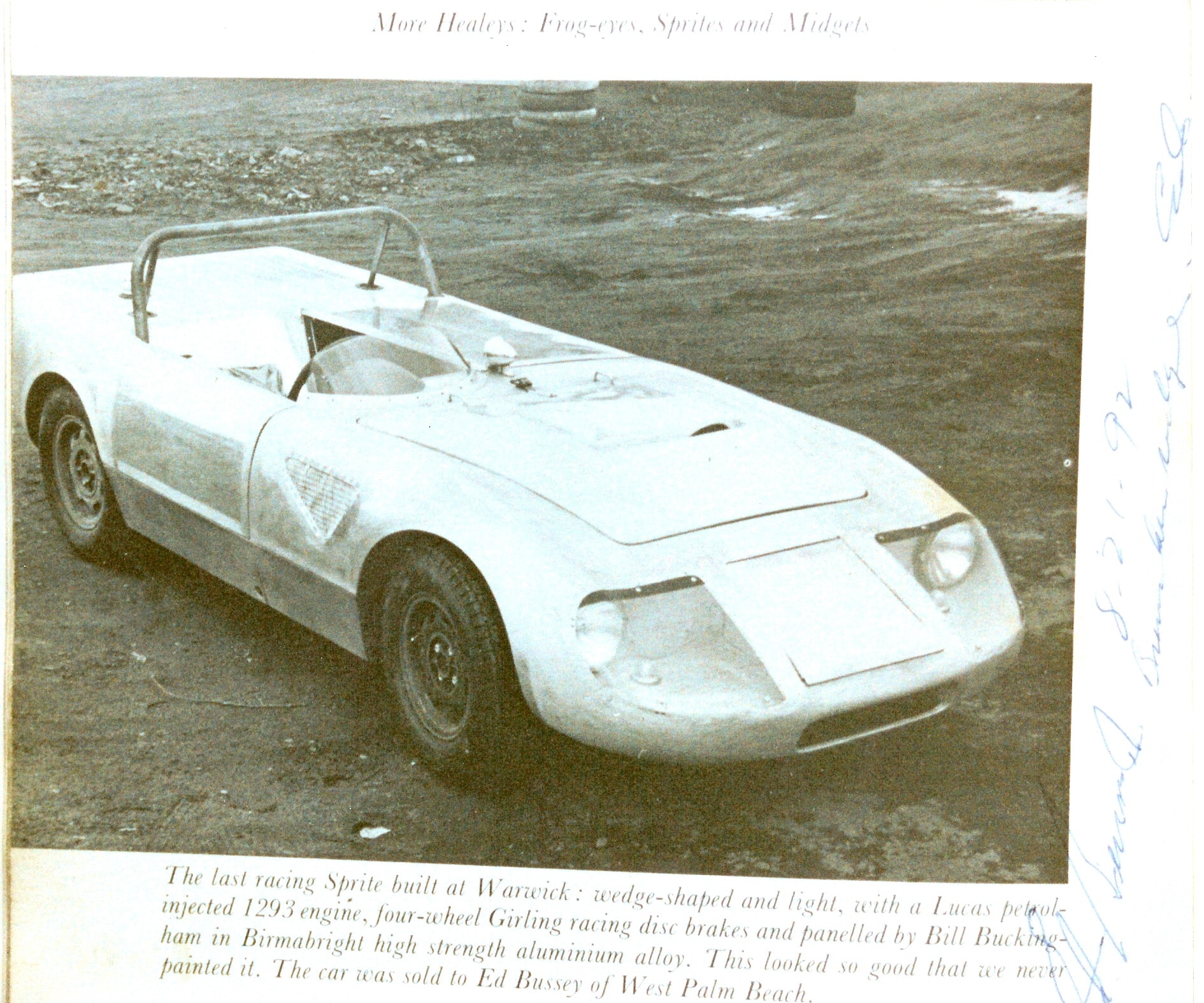
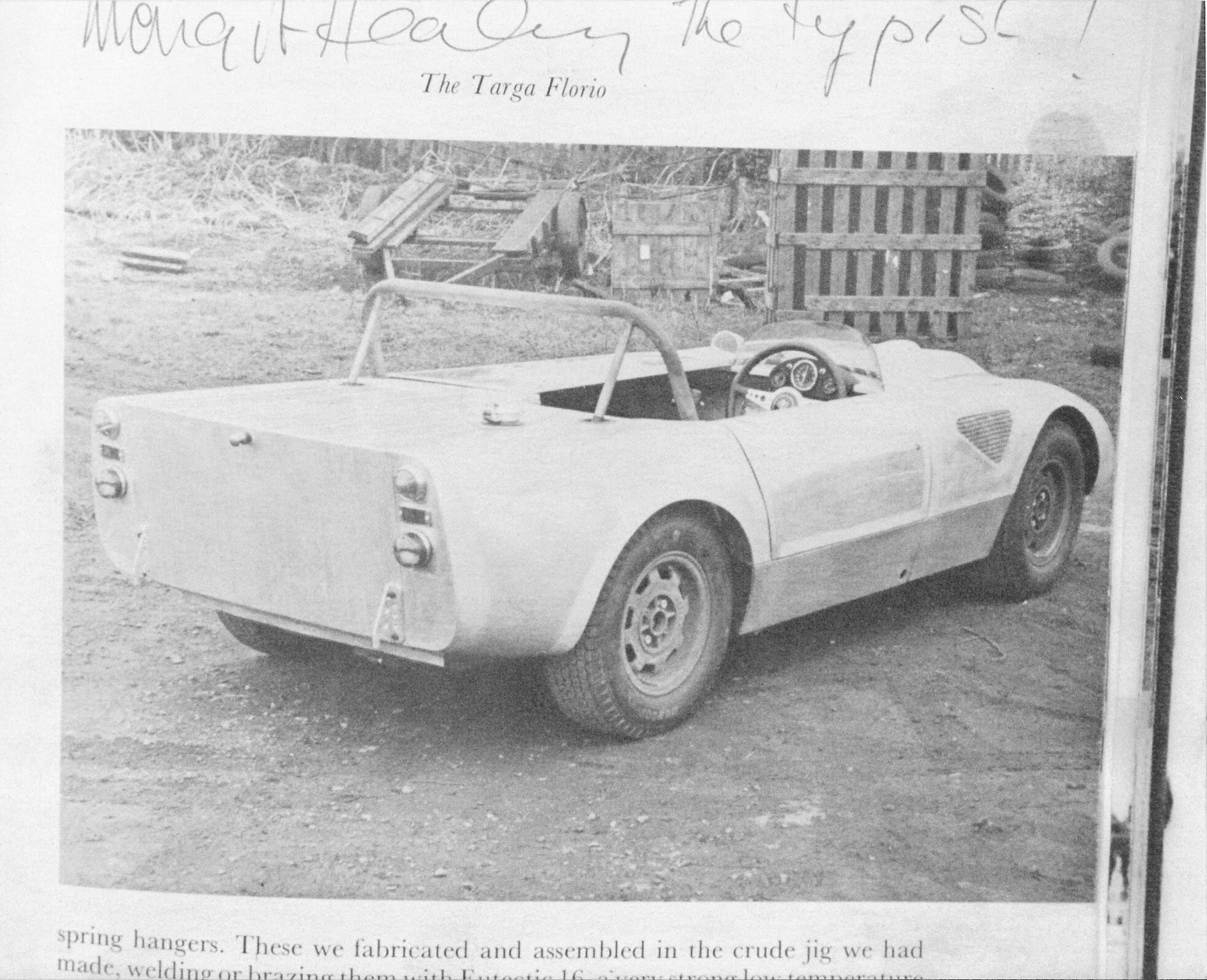
The Targa Florio, held on the winding mountain roads of Sicily, was unlike any other race. It demanded a car that was light, nimble, and mechanically bulletproof. Panelled by Bill Buckingham in Birmabright high-strength aluminium alloy, fitted with a Lucas petrol-injected 1293cc engine and four-wheel Girling racing disc brakes, TFR7 was the most sophisticated Sprite ever built. As Geoff Healey wrote in More Healeys: 'We decided not to spoil it with paint.'
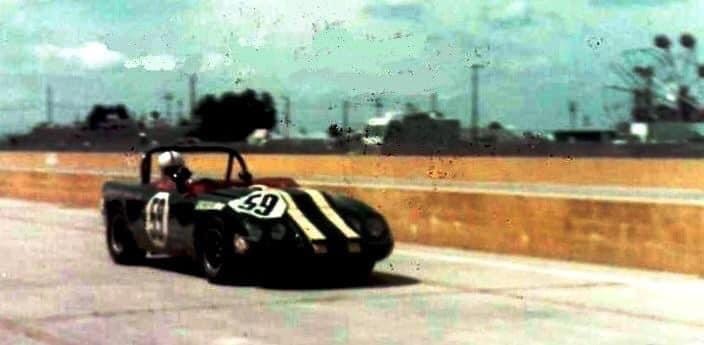
When BMC (by then British Leyland) withdrew their racing support before the Targa Florio, TFR7 was sent instead to Sebring in 1970 as car #59 for the Waldron Motors Racing Team, competing alongside its sister car HAN9-R-238. It then passed through a distinguished SCCA club racing career — winning the 1973 Southeast Regional Championship in CSR under Robert Fine — before entering a second chapter of competition with the Corinthian Vintage Auto Racing club, where it continues to race to this day.
Mechanical Fuel Injection
Fuel at the Trumpets
The factory Lucas mechanical injection system, still original. On throttle, fuel shoots directly into the intake trumpets — exactly as it did when the car left Warwick.
Provenance
Race history & provenance
Constructed at Warwick — the last Sprite prototype
TFR7 (chassis HAN9-R-250) was built at the Donald Healey Motor Company in Warwick as the final Austin Healey Sprite prototype ever constructed. Panelled by Bill Buckingham in Birmabright high-strength aluminium alloy and fitted with a Lucas petrol-injected 1293cc engine and four-wheel Girling racing disc brakes, the car was so striking in bare metal that Donald Healey chose never to paint it. It was sold new to Ed Bussey of West Palm Beach, Florida.
Built for the Targa Florio — Sicily
TFR7 was designed and built specifically for the Targa Florio, the legendary road race held on the mountain roads of Sicily. The Targa demanded a car that was light, nimble, and mechanically bulletproof — precisely the brief TFR7 was engineered to meet. When BMC withdrew their factory racing support before the event, TFR7 never got the chance to show what it could do on those Sicilian roads. It remains the finest Sprite the factory ever produced.
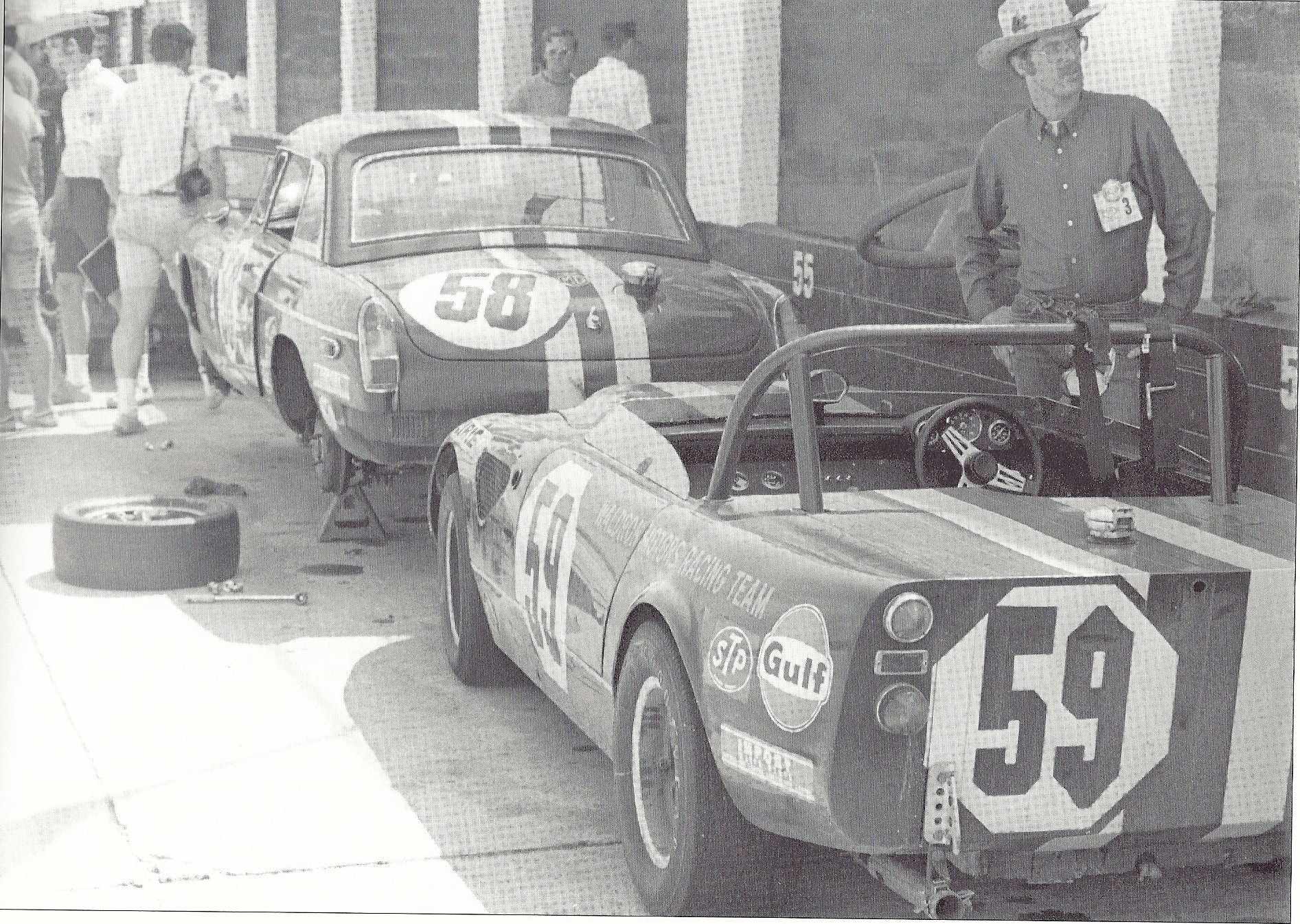
Sebring 12 Hours — Waldron Motors Racing Team
TFR7 was sent to the United States for the 1970 Sebring 12 Hours, entered as car #59 by the Waldron Motors Racing Team of Delray Beach, Florida. The car ran alongside its sister prototype HAN9-R-238 — the Ring Free Car — competing alongside its sister car HAN9-R-238 — the Ring Free Car. The Statement of Origin records the transfer from Ship & Shore Motors to Waldron Motors on February 11, 1970, just weeks before the race.
Fine Racing — SCCA Club Racing
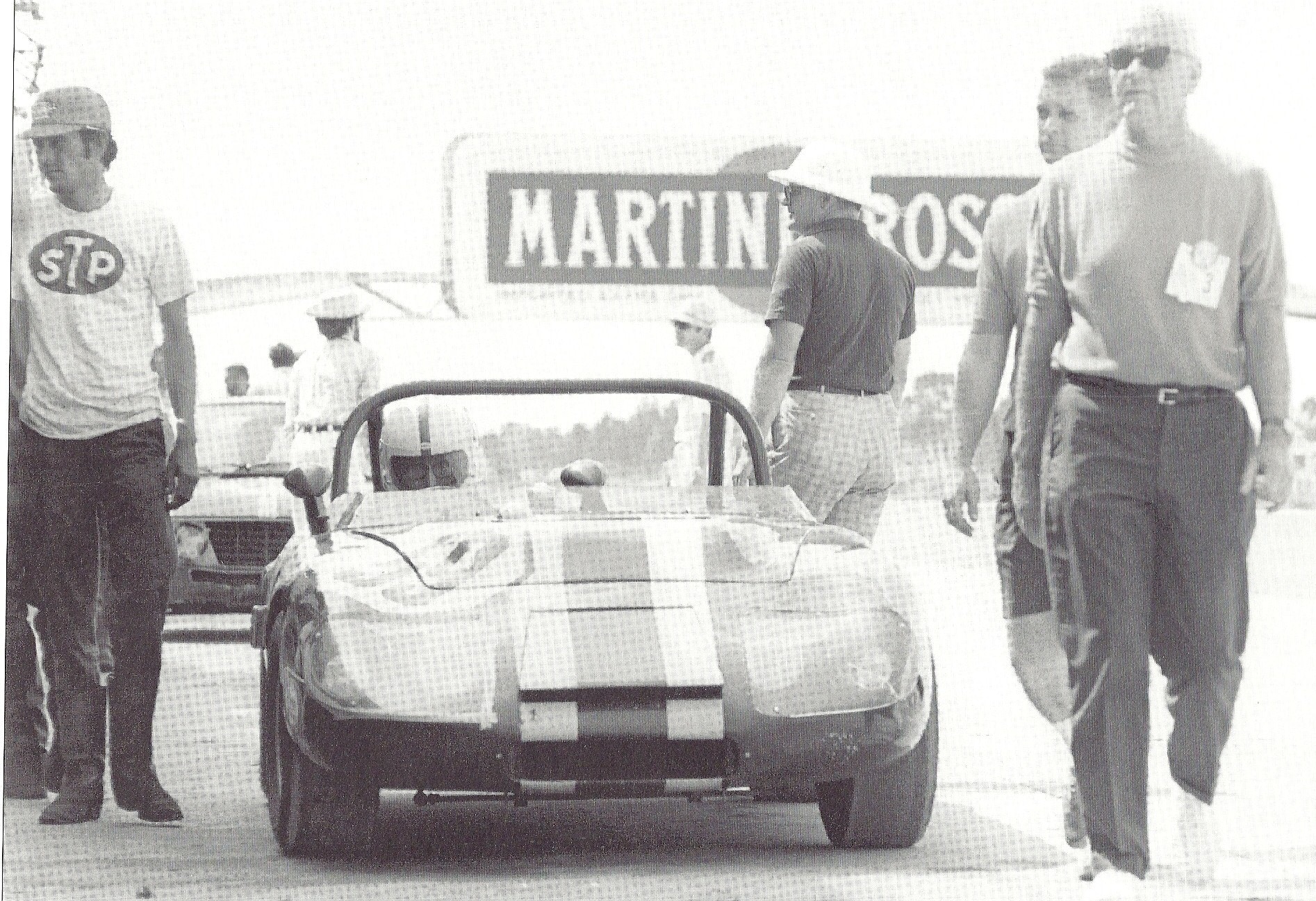
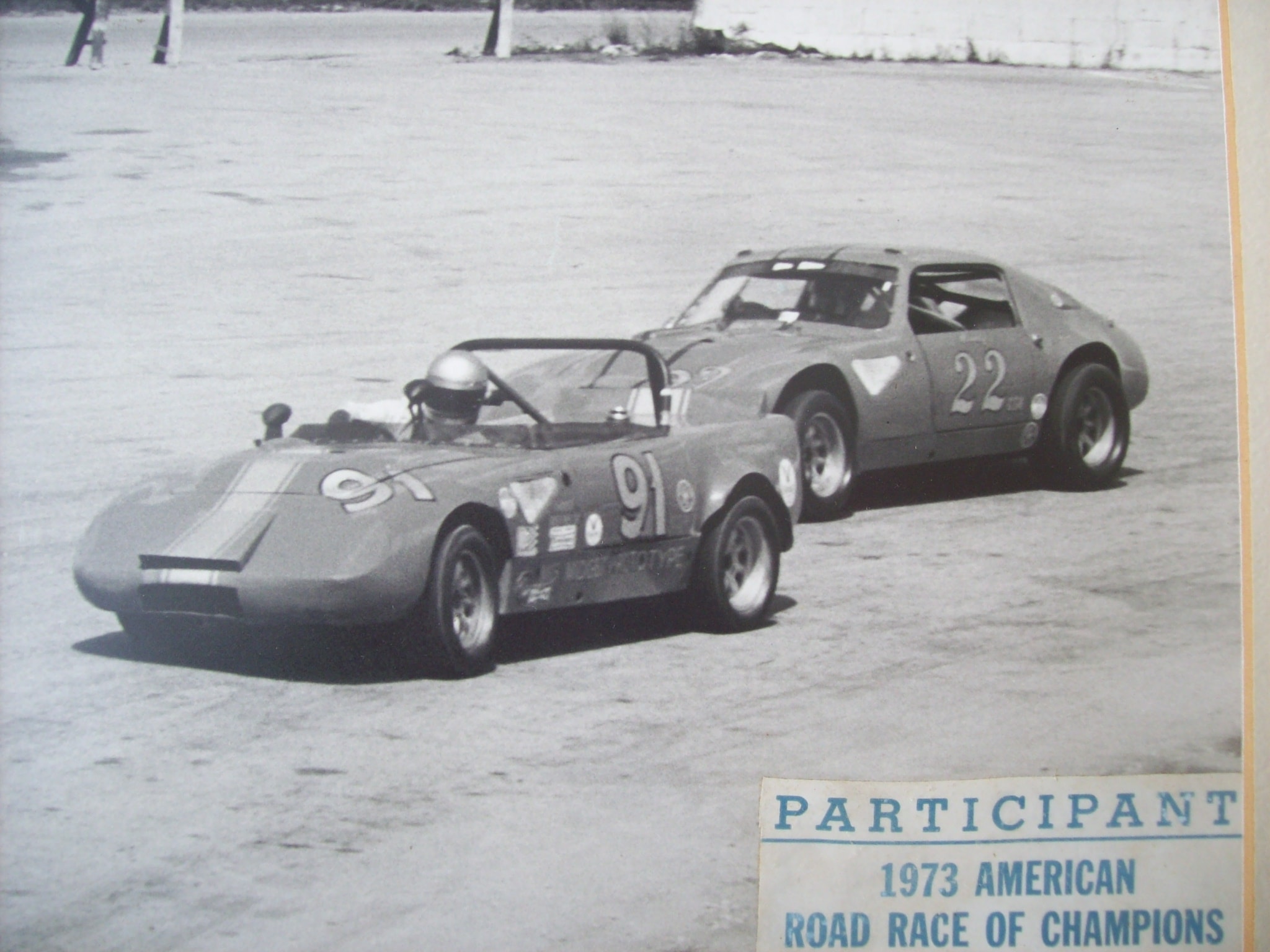
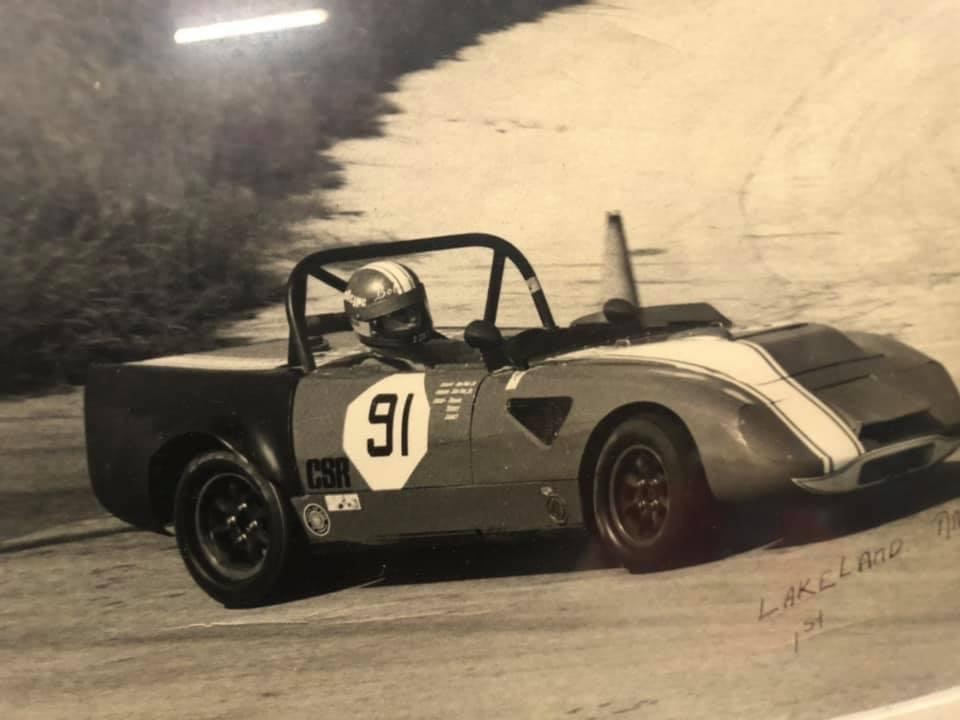
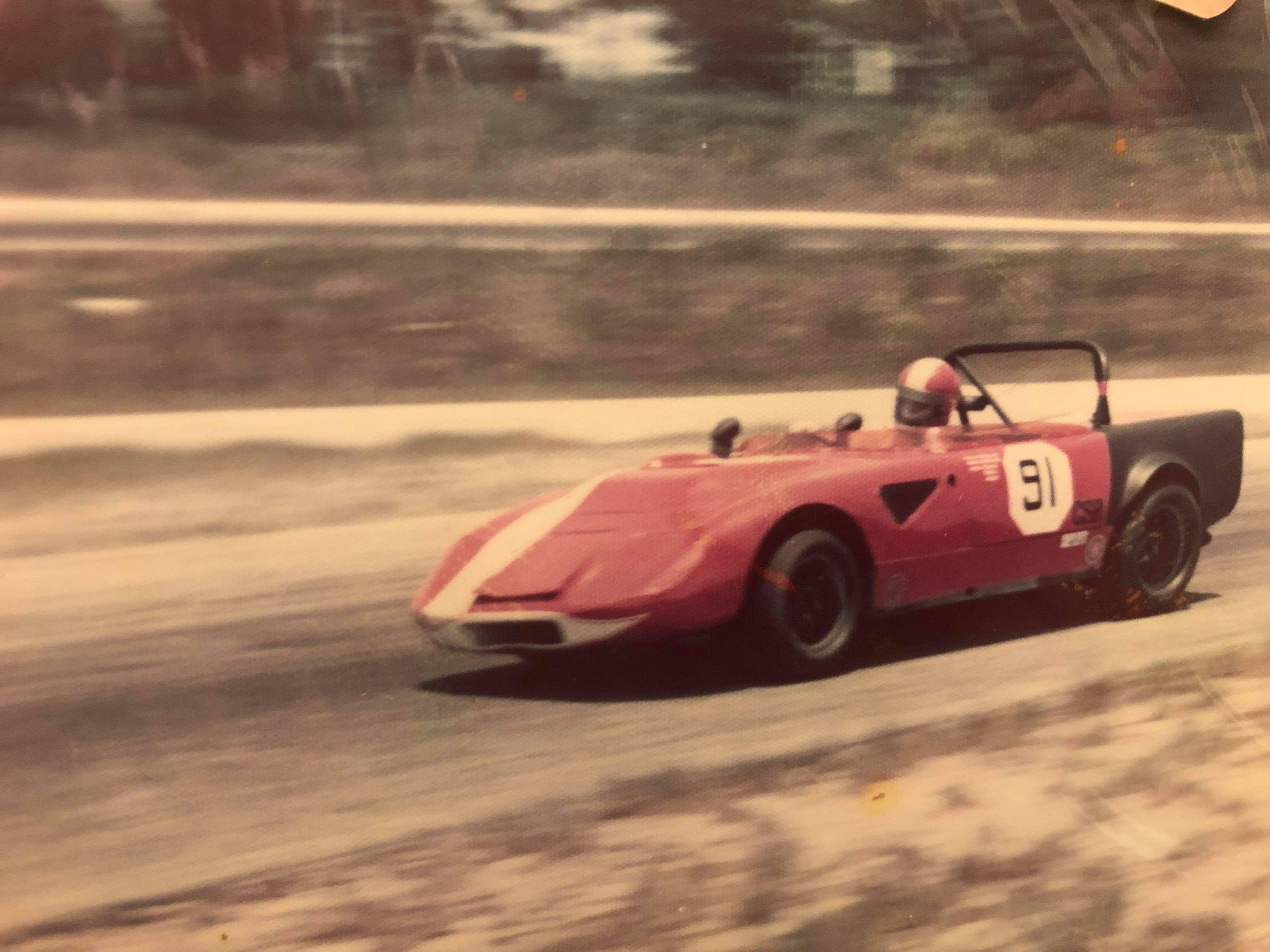
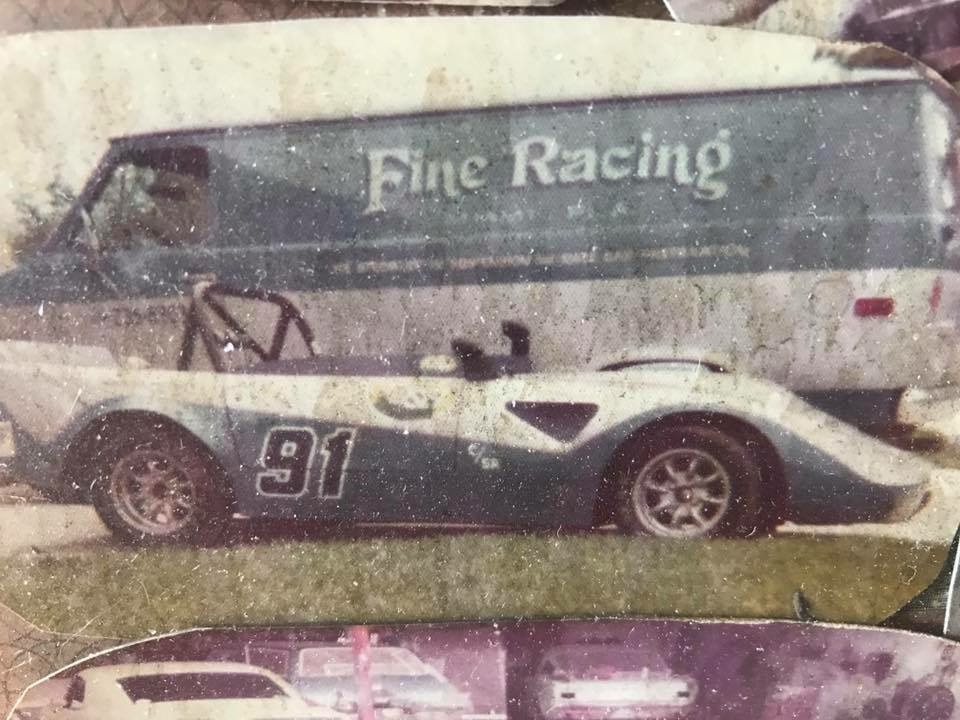
In February 1973, Waldron Motors transferred TFR7 to Robert L. Fine of Fine Racing & Auto Repair in Miami, Florida. Fine campaigned the car extensively in SCCA CSR class competition, running as car #91. His record was exceptional: 1973 Regional Champion CSR, 1973 Southeast U.S. Regional Champion CSR, and a strong showing at the 1973 ARRC, and a lap record at PBIR National on February 12, 1974. The SCCA Vehicle Log Book records events from Lakeland Regional on March 31, 1973 through PBIR National in February 1974.
Sold to Dan Miller — Texas
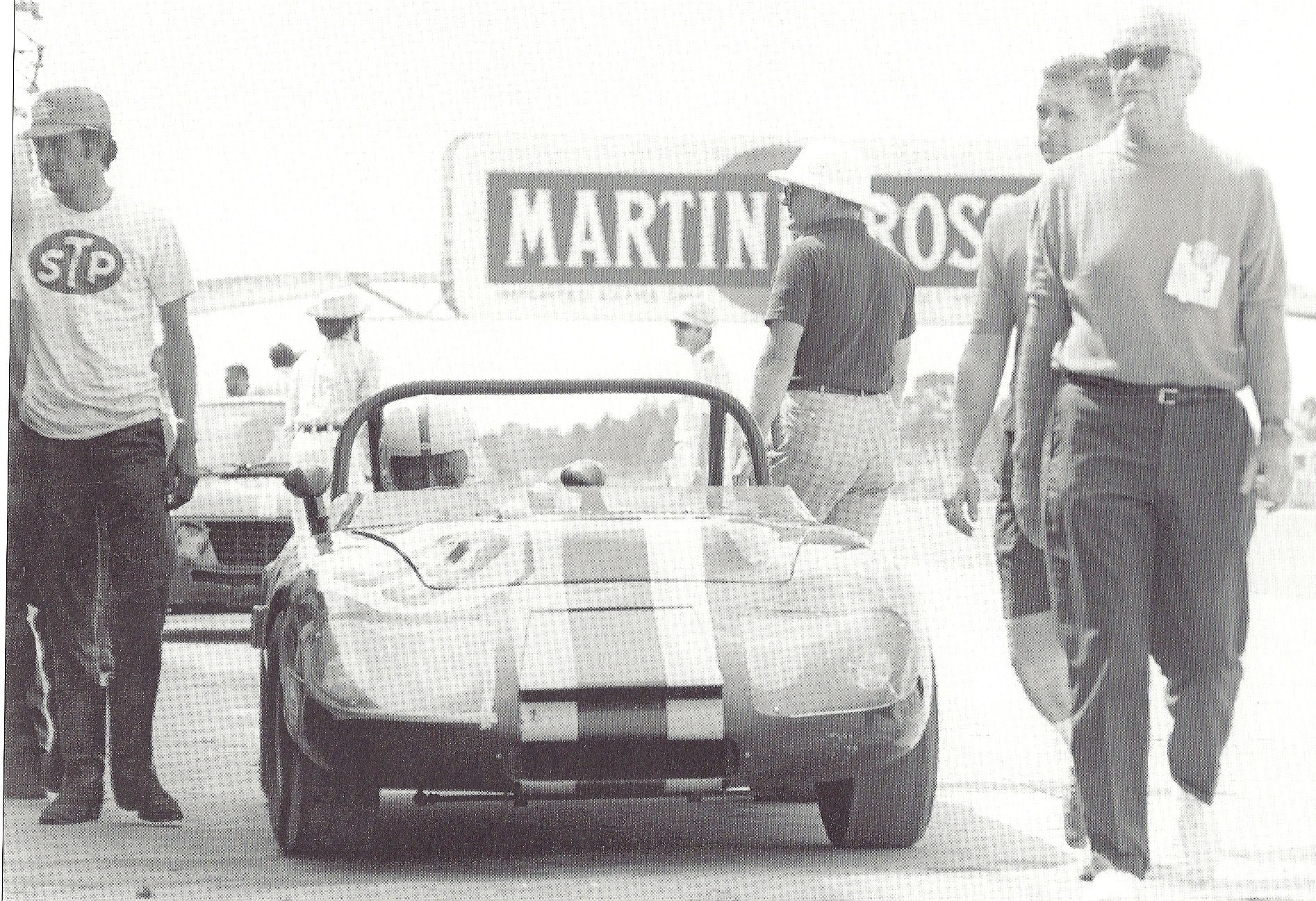
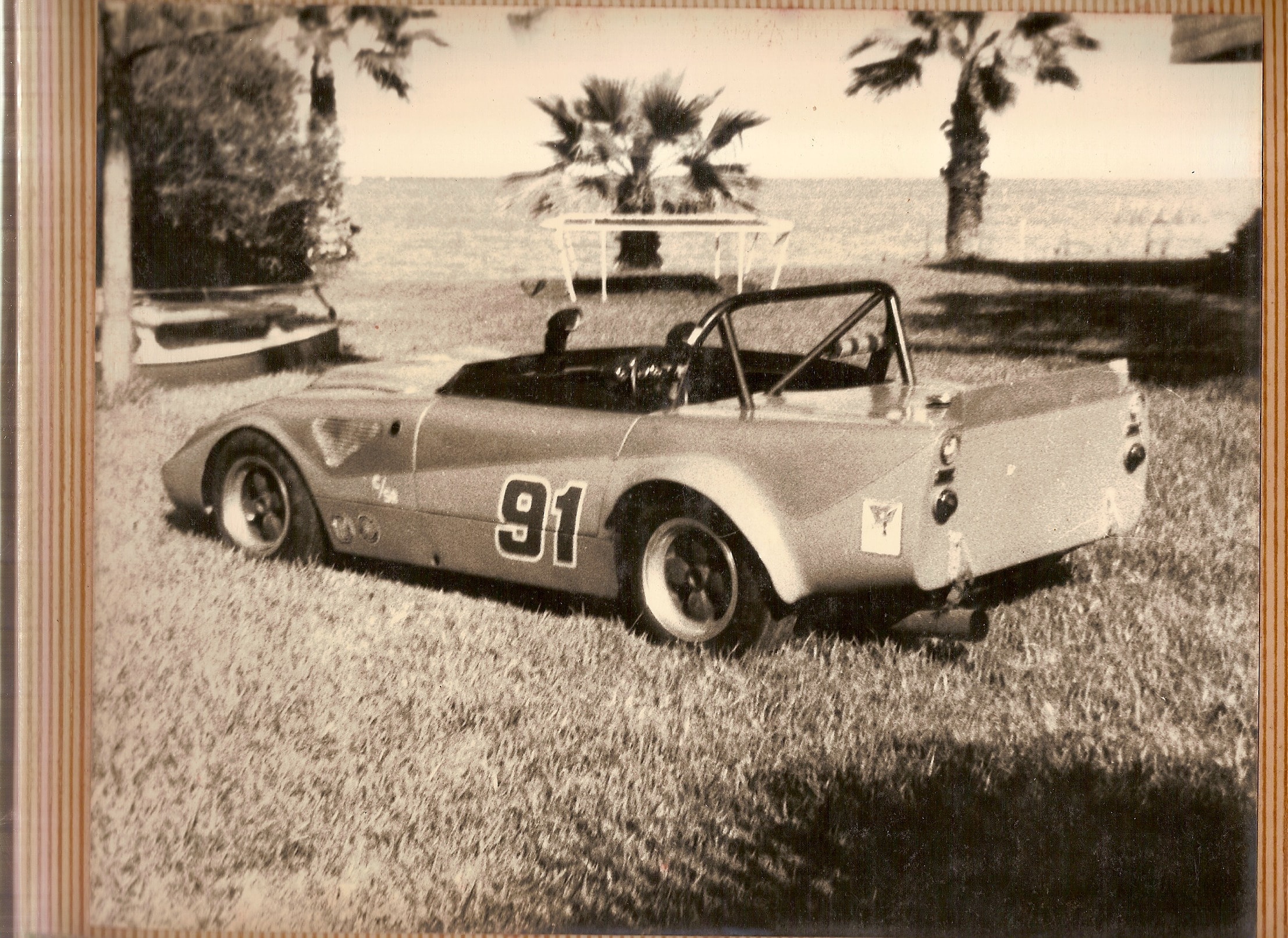
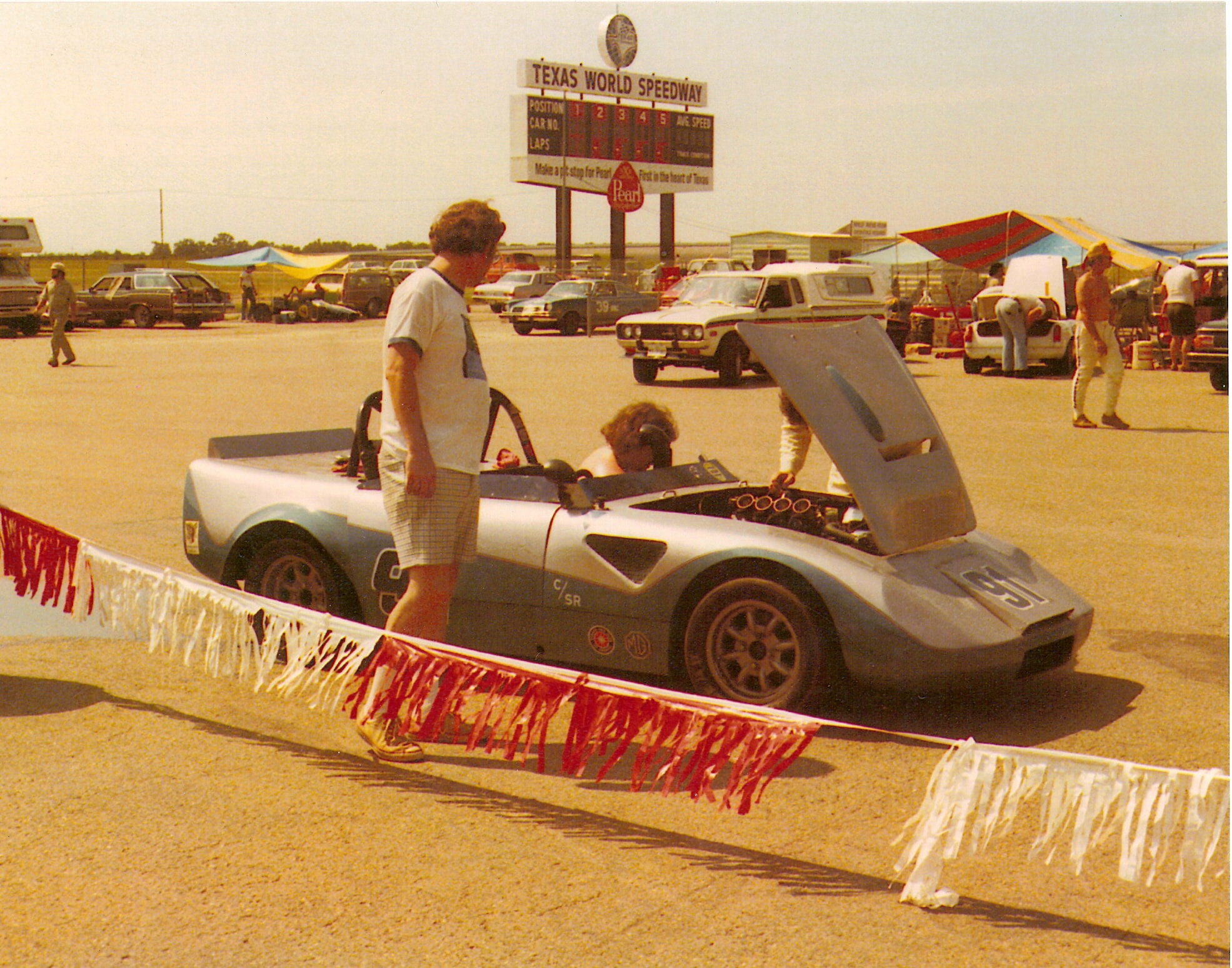
On January 3, 1976, an Autoweek advertisement addressed to Daniel Miller of La Porte, Texas documented the car's availability. That year, Dan Miller purchased TFR7 — along with its trailer, wheels, tyres, and spares — for $5,900. Miller campaigned the car in Texas, running as car #91, including at Texas World Speedway in September 1977 where photographs document the car in the Goodyear paddock with the TWS scoreboard visible in the background.
Corinthian Vintage Auto Racing — Steve Coleman
TFR7 passed from Scott Hensel to Steve Coleman on April 27, 2006, as recorded in the Corinthian Vintage Auto Racing Log Book No. 503 (issued November 2009). The cover of the log book is annotated 'The 1969 Targa Florio HAN9-R-250.' Coleman has campaigned the car continuously in CVAR events from Texas Motor Speedway Fall 2009 through CVAR MSRH on April 24, 2025 — the most recent log book entry — more than 55 years after the car was built at Warwick. .
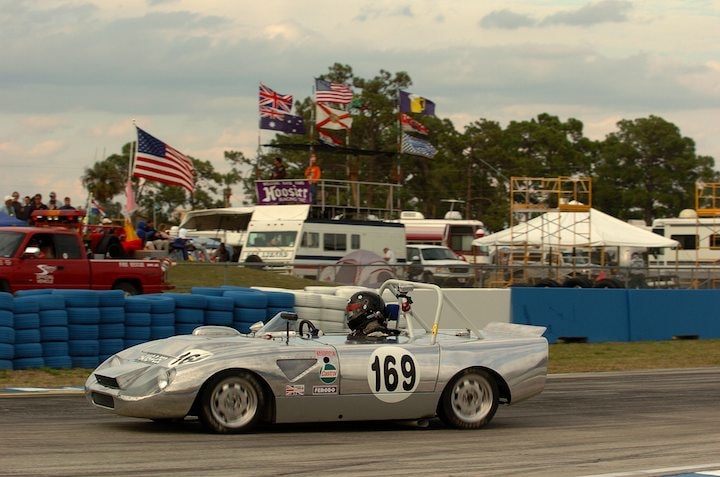
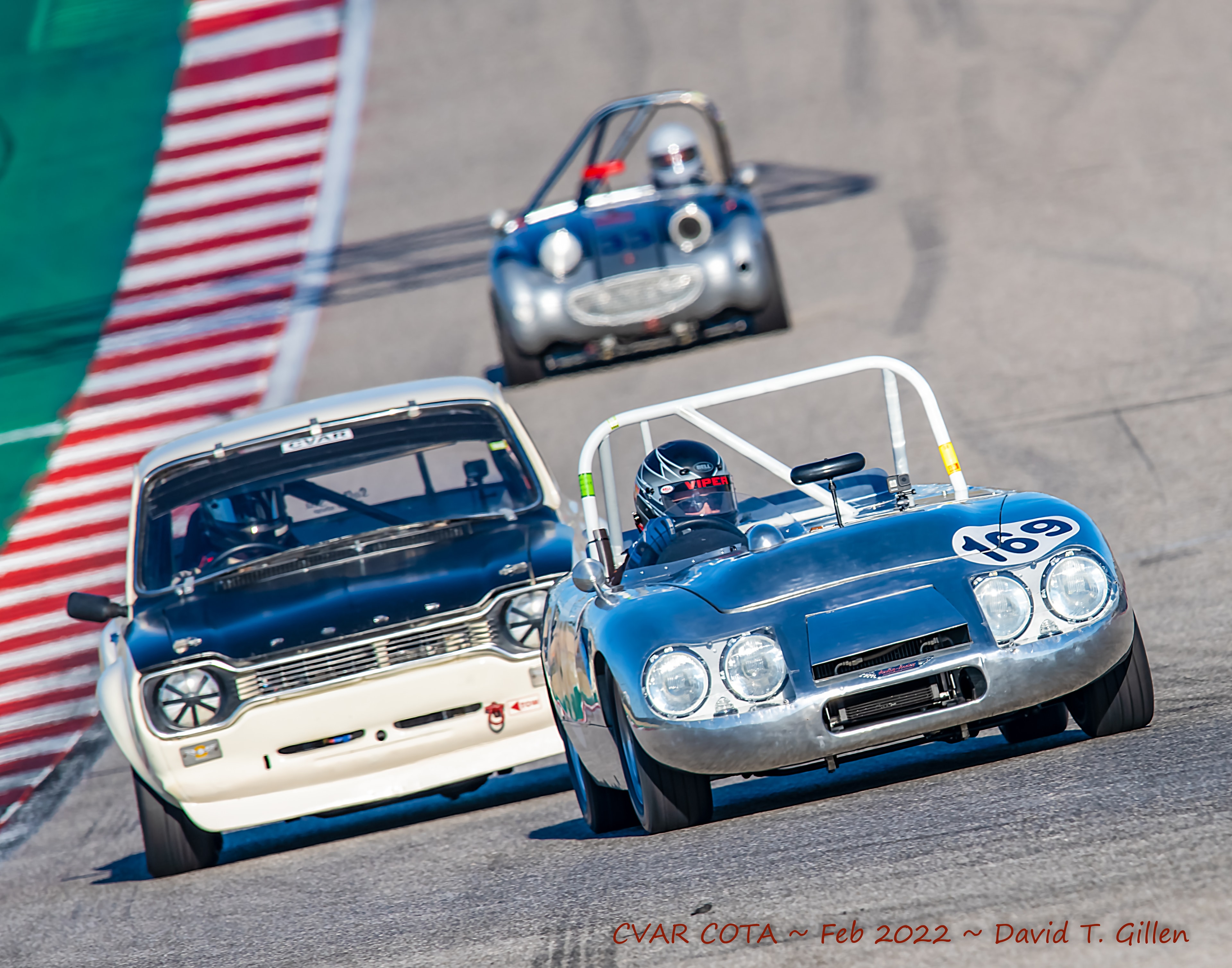
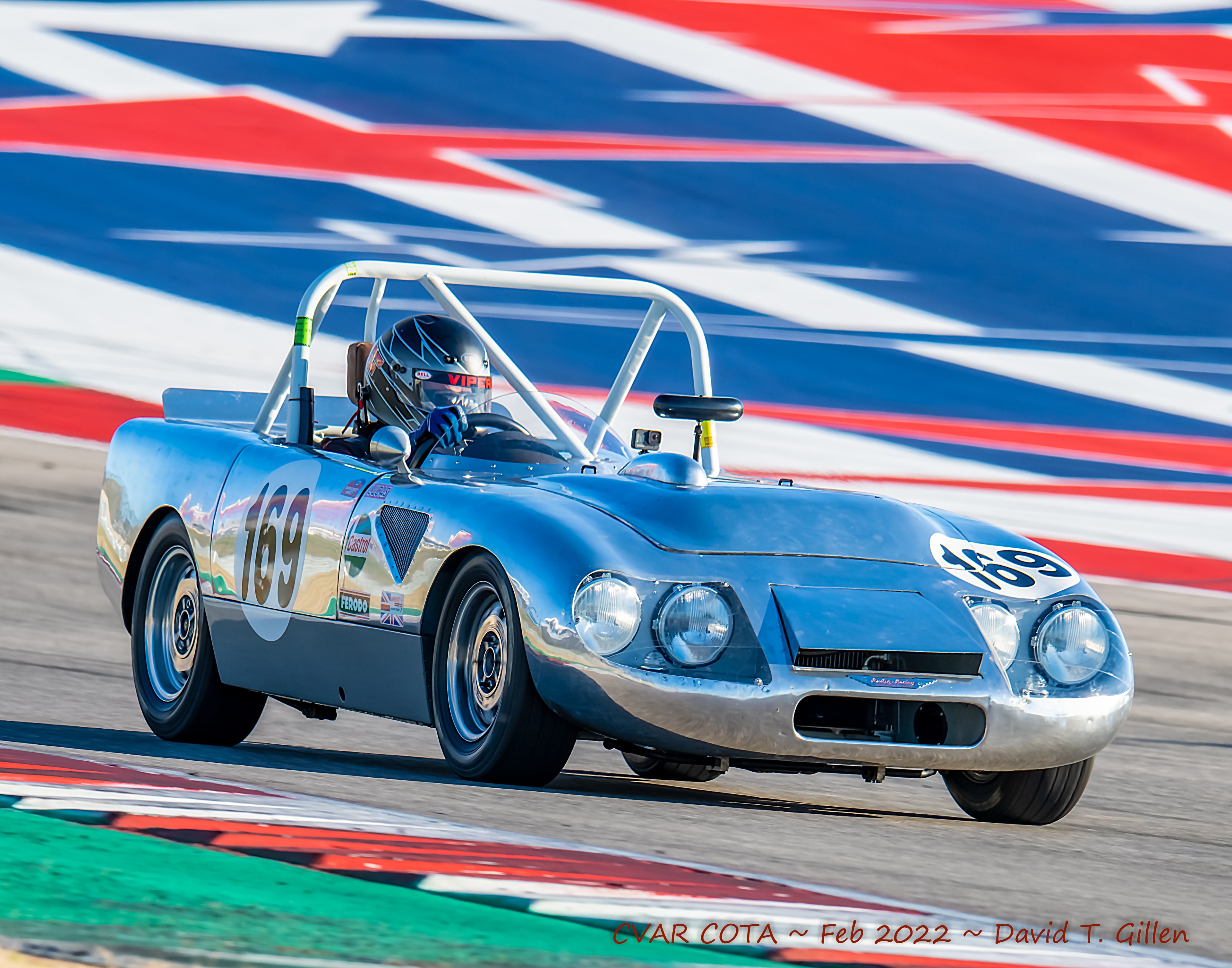
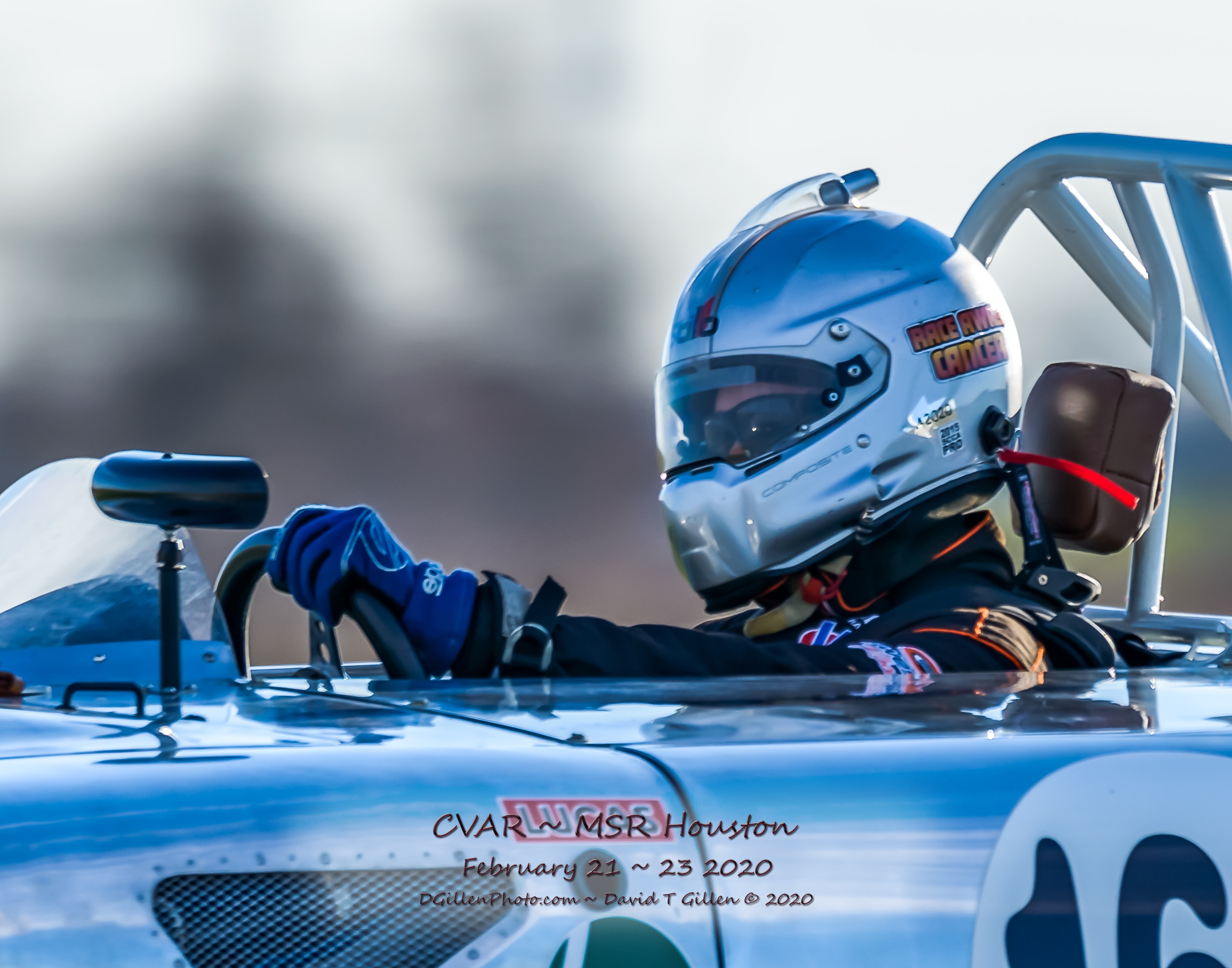
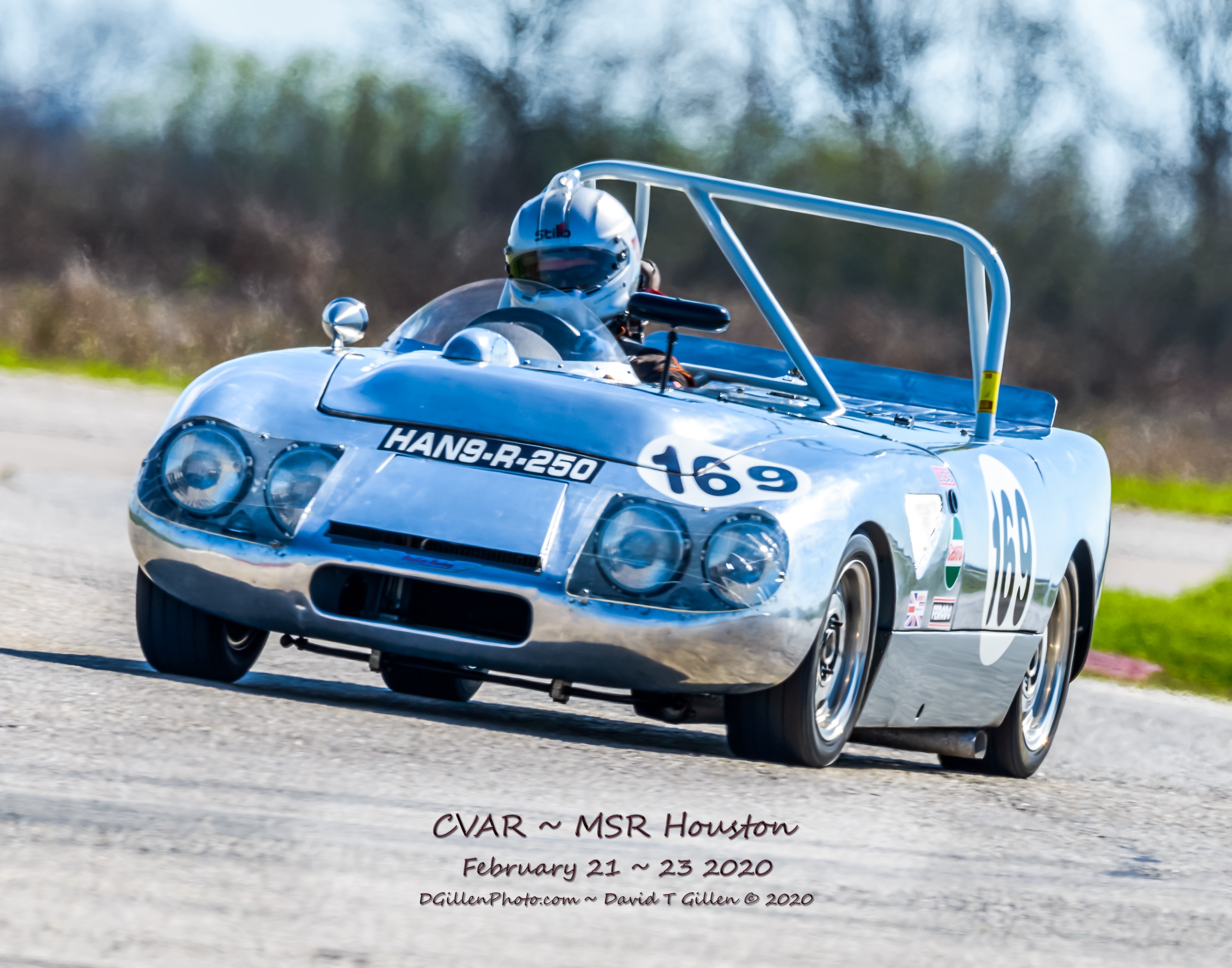
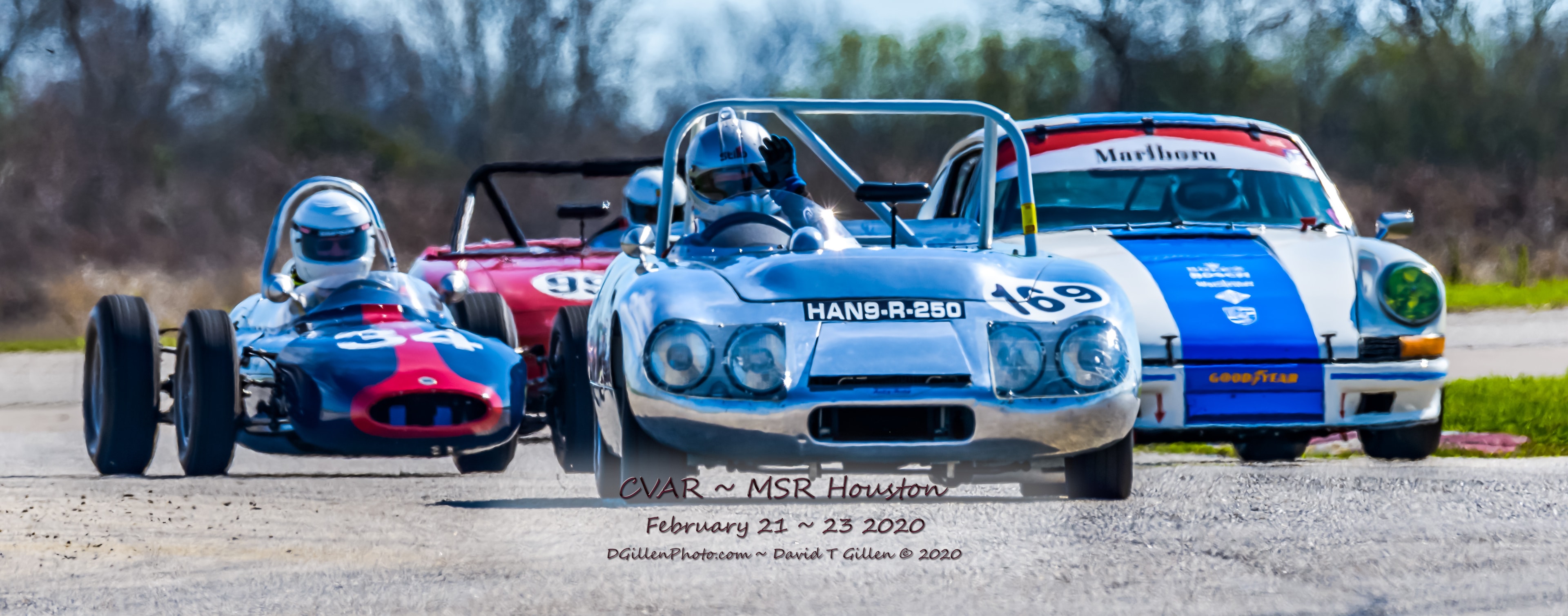
Steve Coleman driving TFR7 (#169) — COTA February 2022 · MSR Houston February 2020
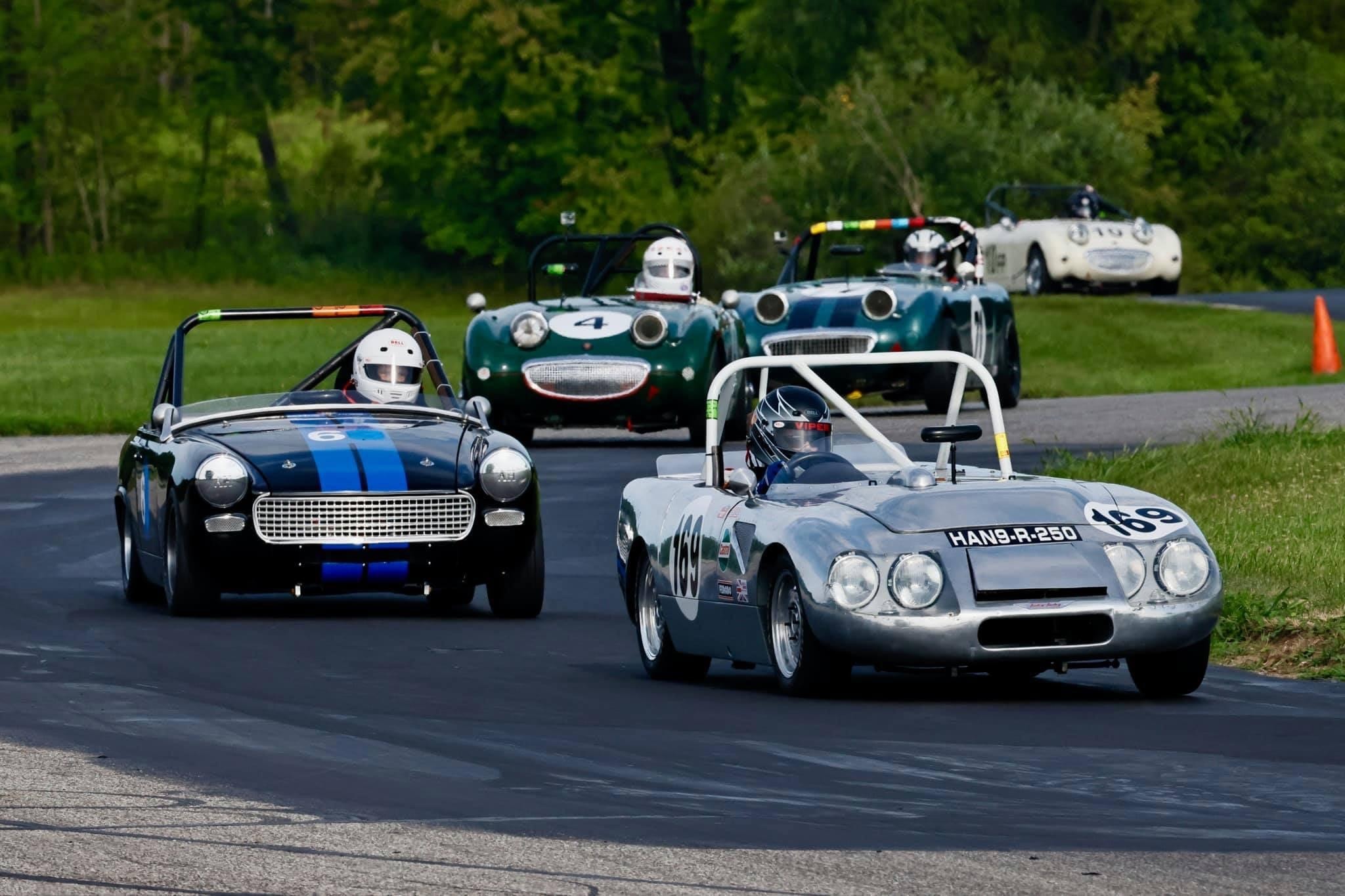
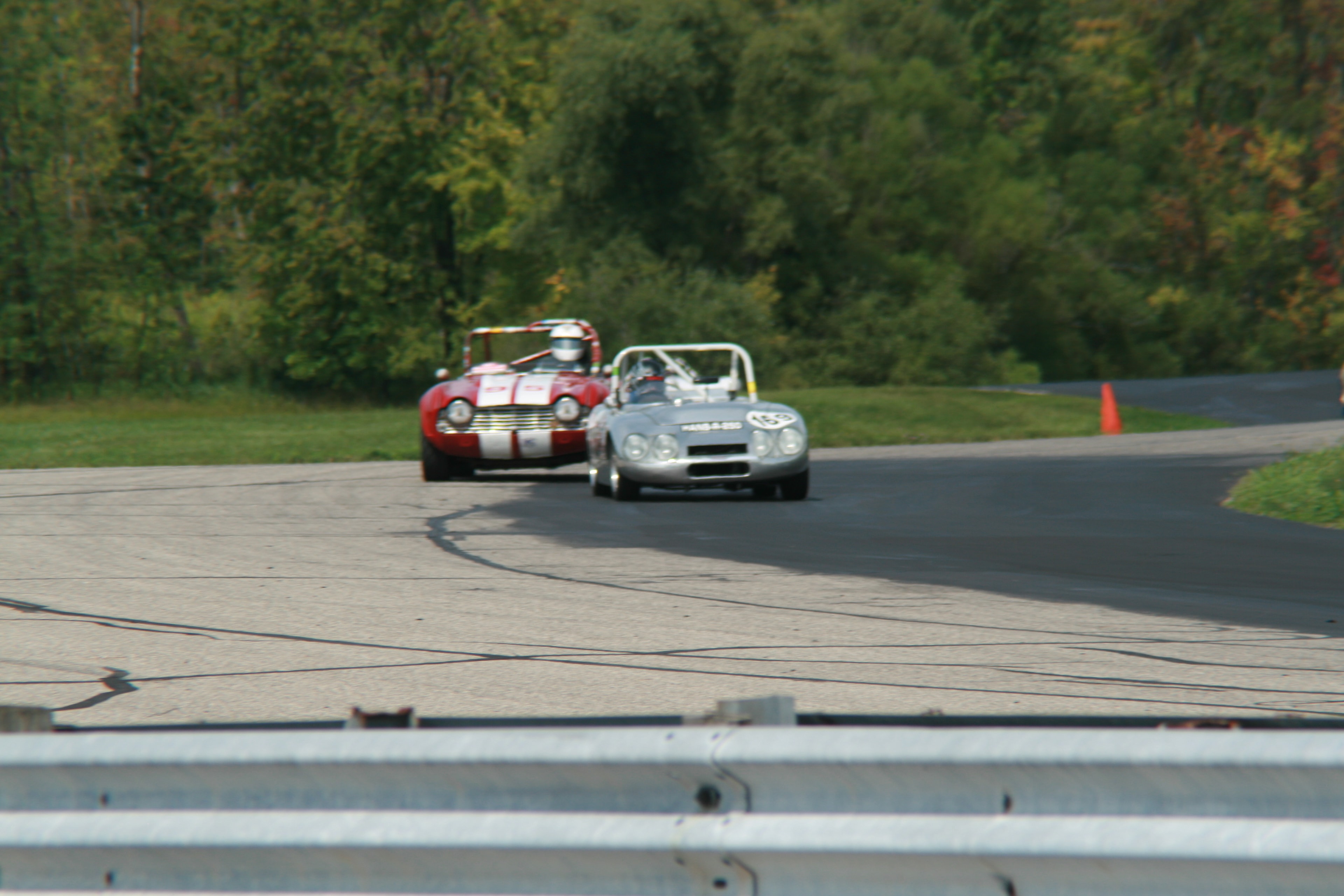
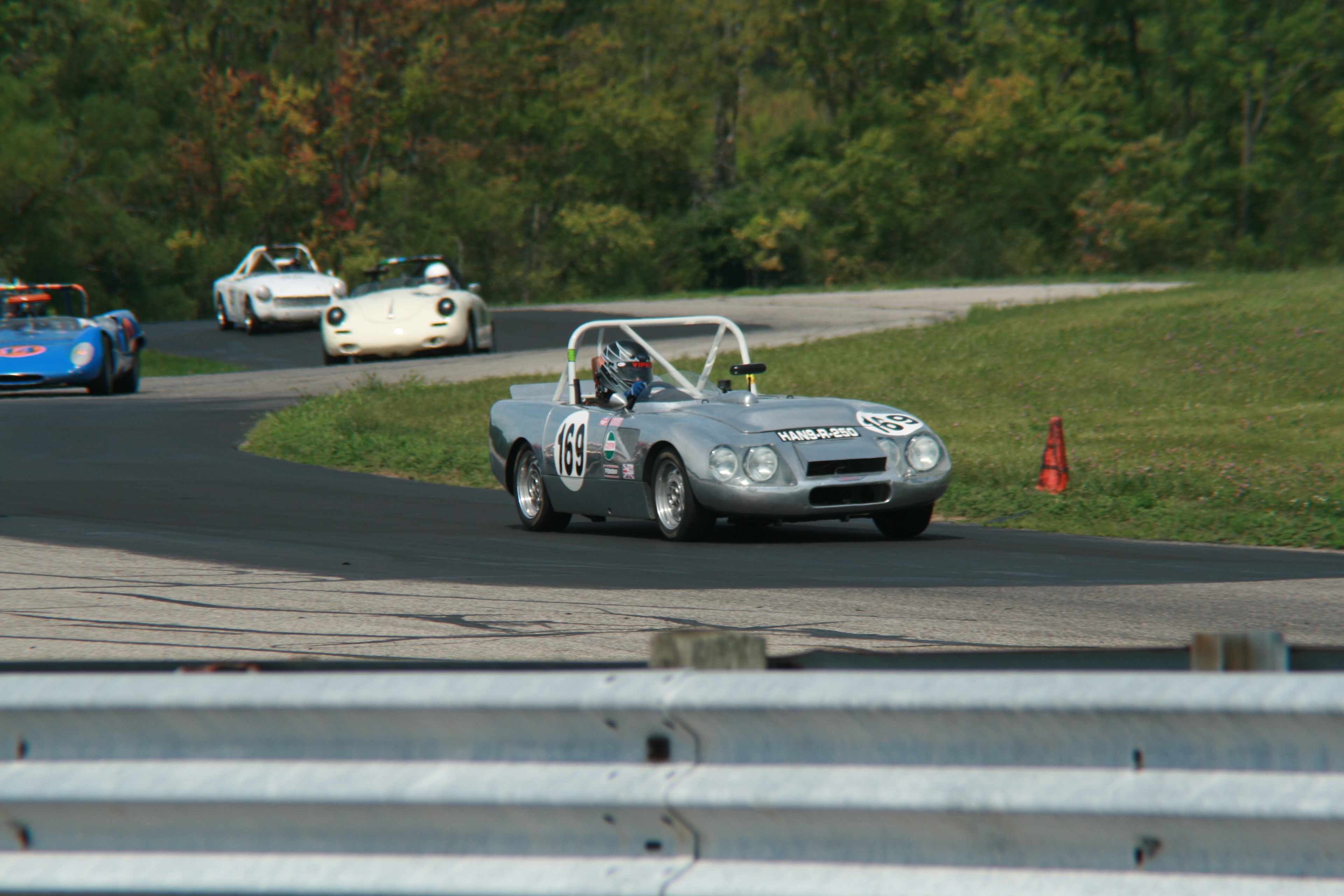
Steve Coleman driving TFR7 (#169) — Grattan Raceway, 2021
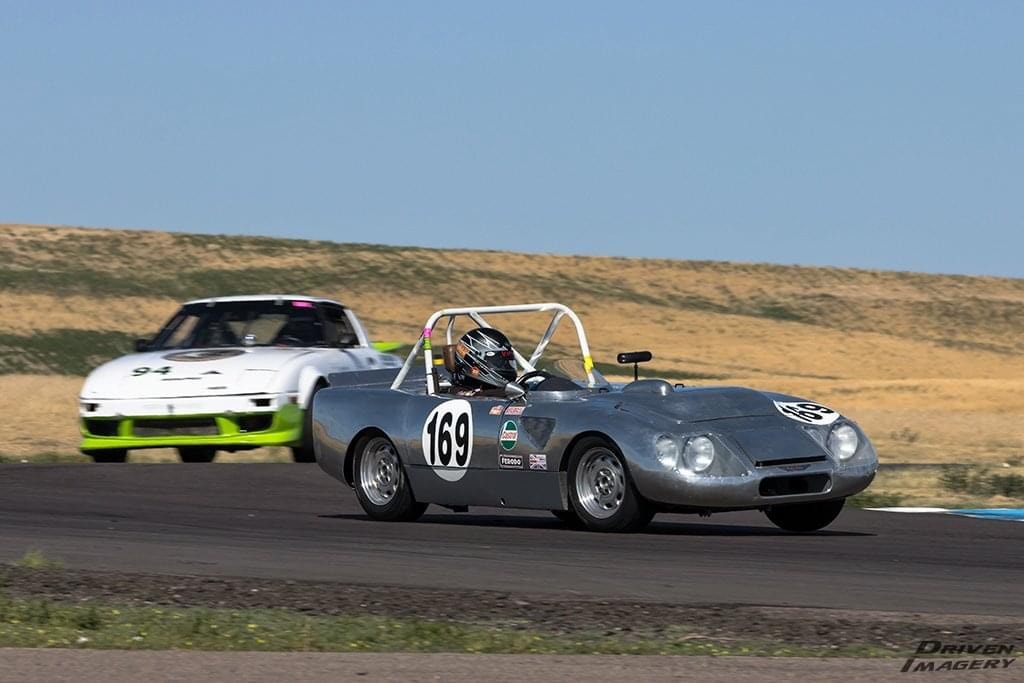
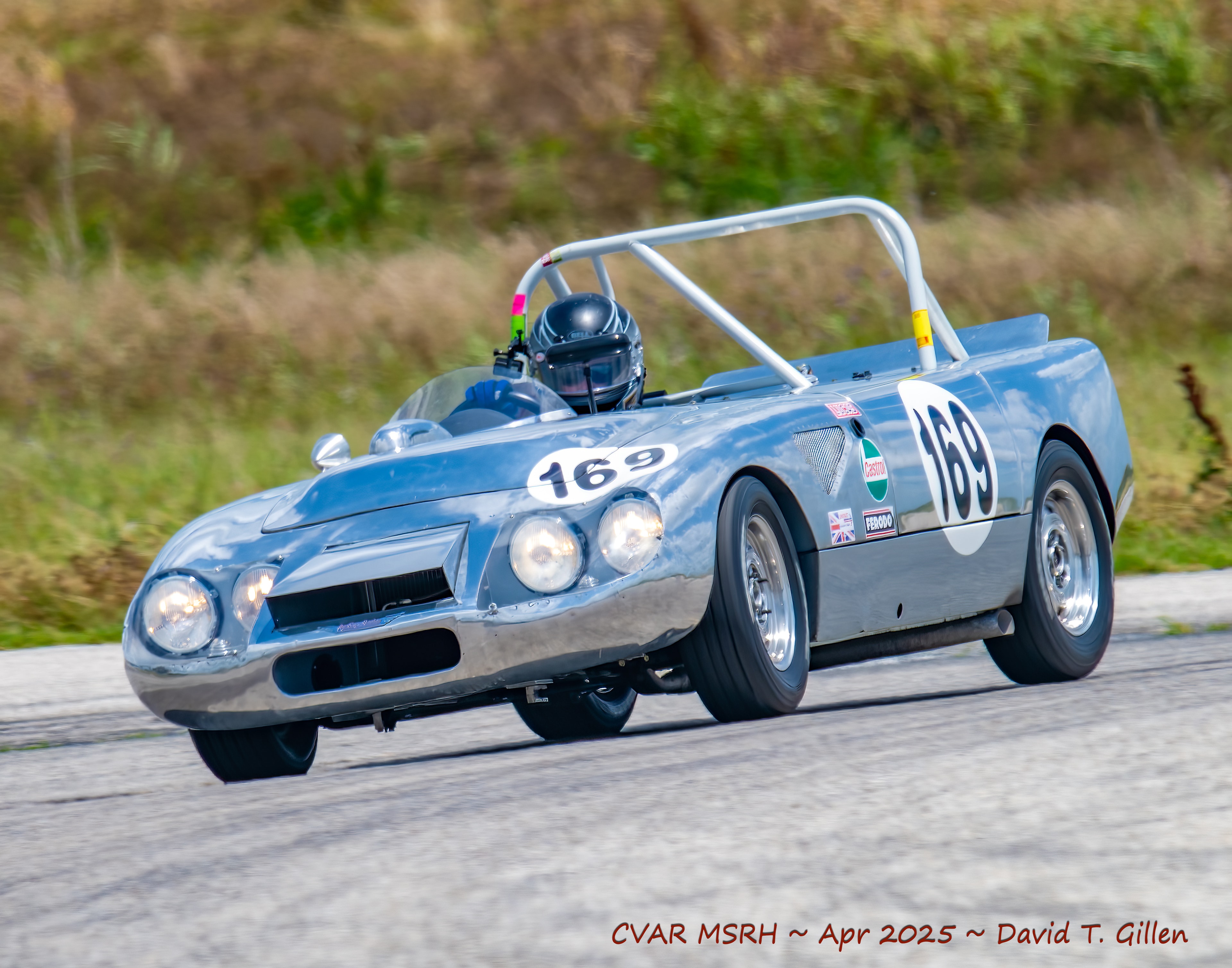
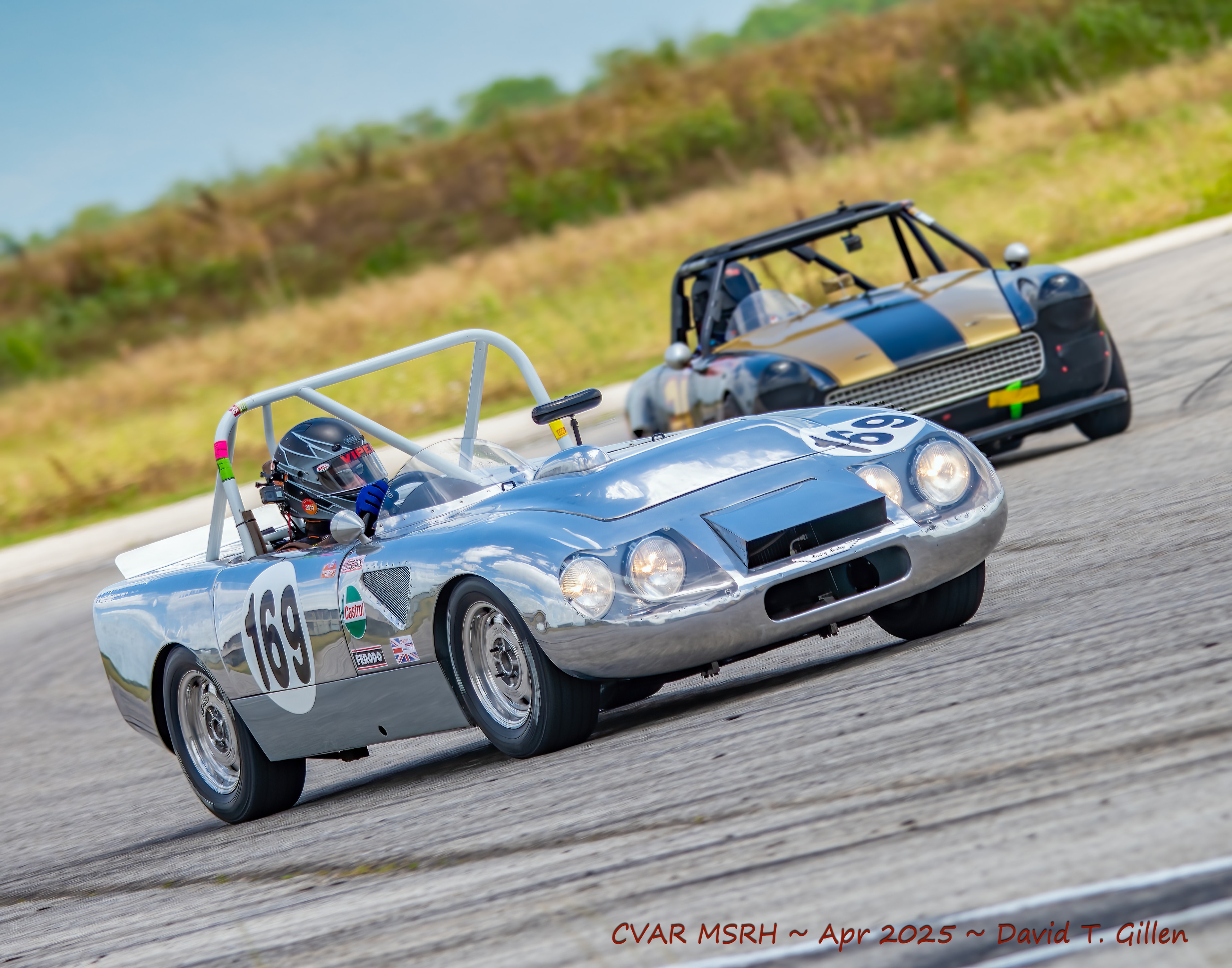
Steve Coleman driving TFR7 (#169) — CVAR MSR Houston, April 2025. Photography: David T. Gillen
THE CAR TODAY
Detail
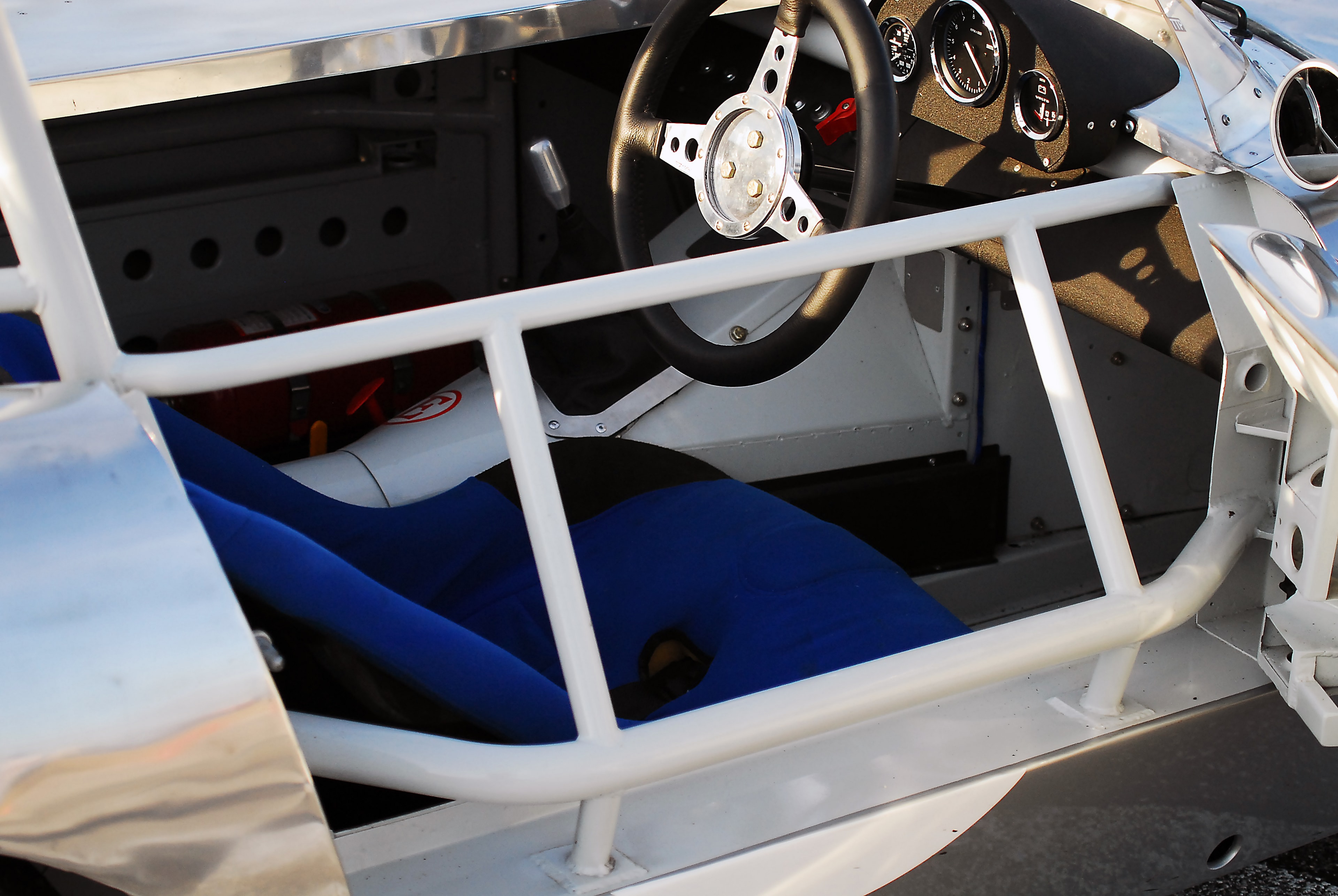
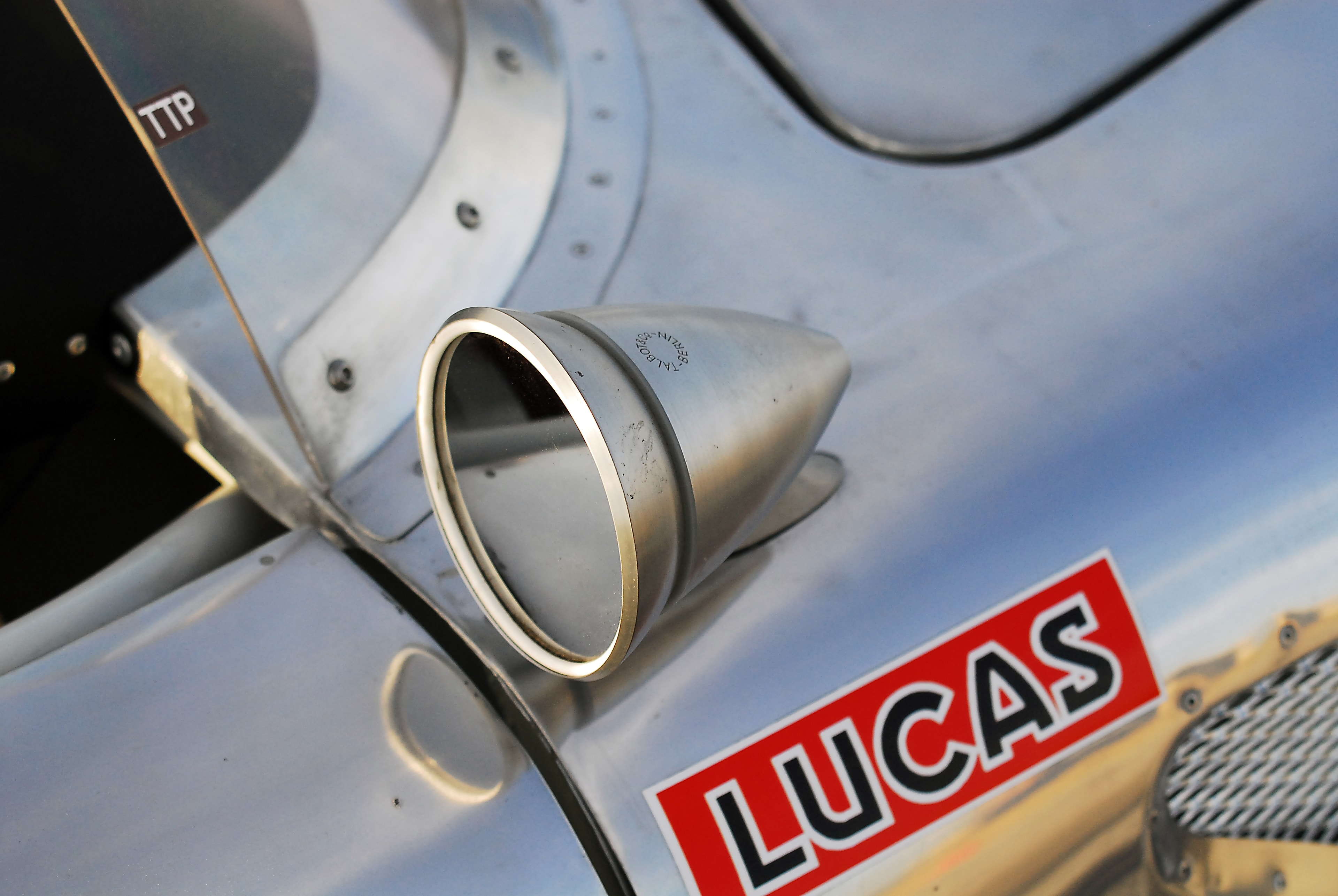
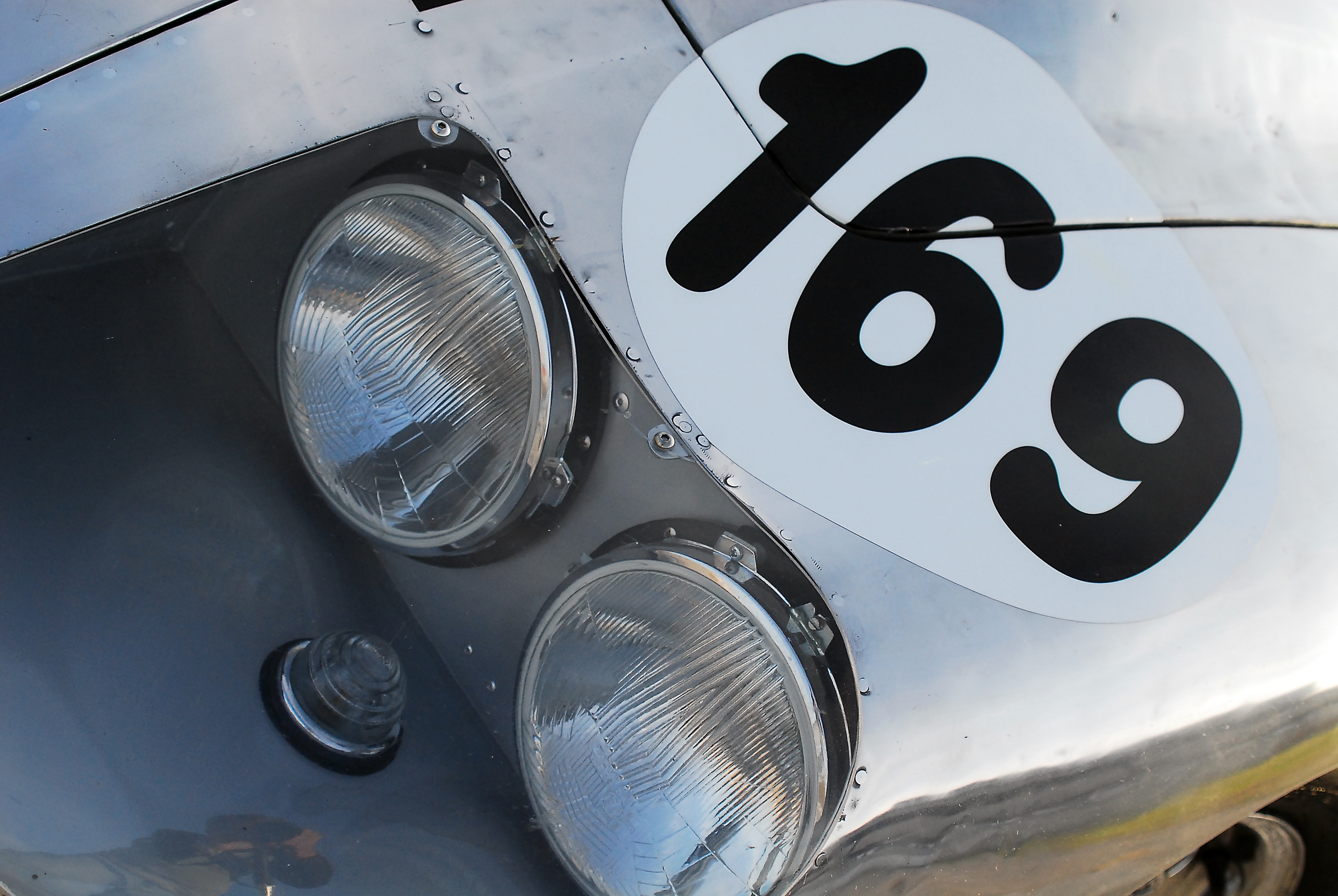
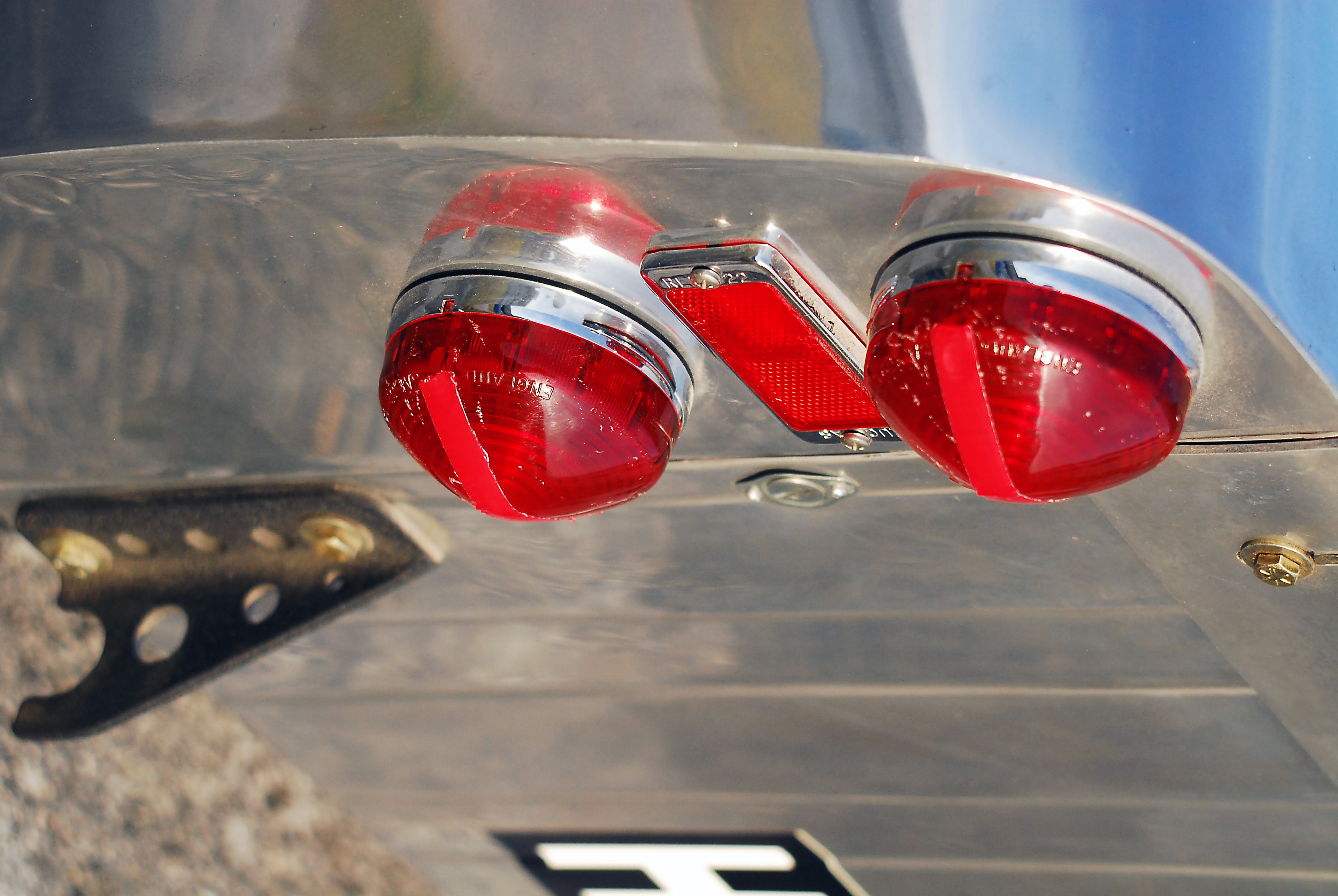
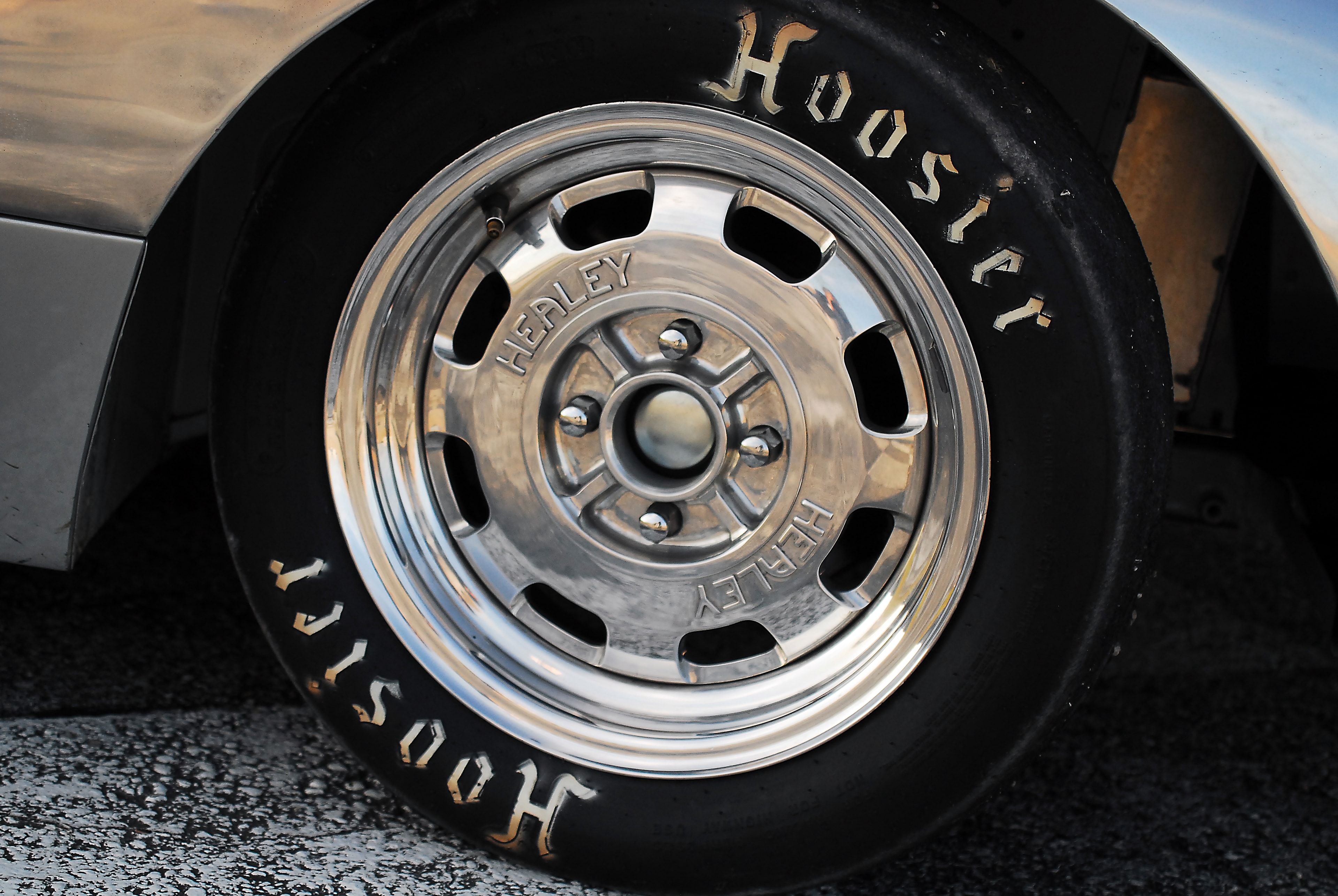
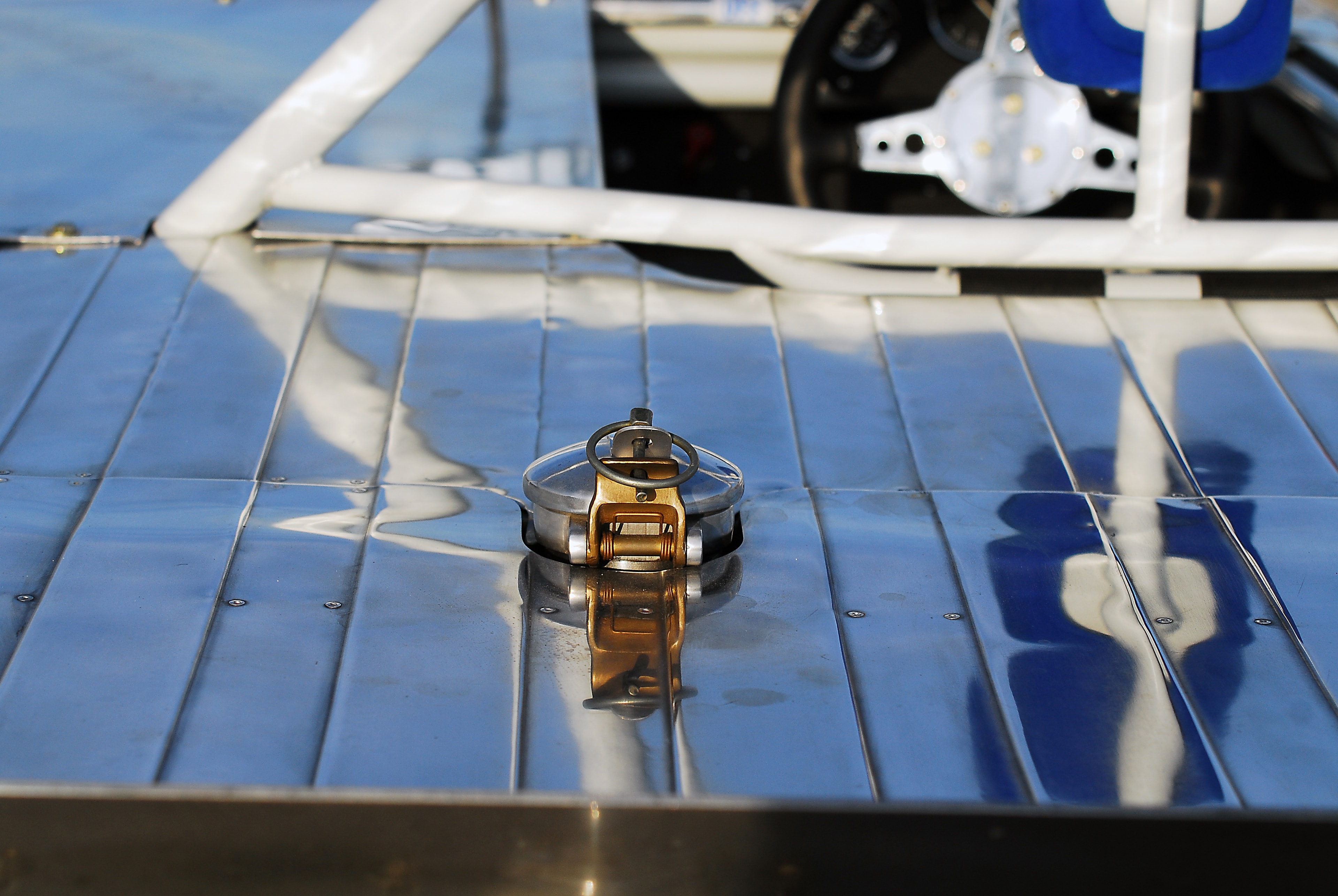
More than five decades of competition history distilled into every surface. The restoration preserved the factory Birmabright bodywork while building a car capable of serious vintage racing.
Specification
Technical specification
Chassis
HAN9-R-250 (TFR7)
Engine
Lucas petrol-injected BMC A-Series 1293cc
Body
Birmabright aluminium alloy, panelled by Bill Buckingham
Brakes
Four-wheel Girling racing disc brakes
Gearbox
Taylor Race Engineering Dog Engagement 4 Speed*
Best result
1973 SE U.S. Regional Champion, CSR class — Robert Fine / Fine Racing
* TFR7's original 5 Speed Le Mans gearbox has been restored and comes with the car.
Inquire About This Car
The last Sprite prototype ever built. Serious inquiries welcomed from collectors, museums, and institutions who understand what this car represents.